Weed Laws in Tu Son, Vietnam: Cannabis Rules, Penalties, and Travel Advice
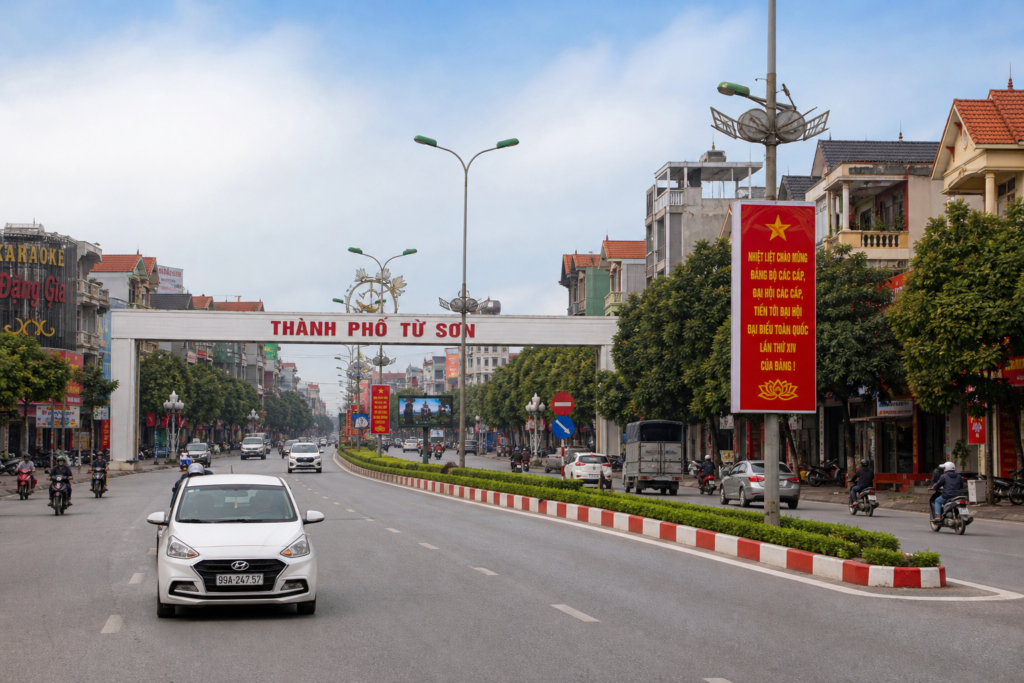
Tu Son, also written as Từ Sơn, is an urban area in Bắc Ninh Province, close to Hanoi and important industrial and transport corridors. Whether you are visiting for business, staying with friends, or passing through northern Vietnam, it is important to understand that local convenience does not change the country’s strict approach to cannabis.
Weed, marijuana, cannabis, cannabis resin, and many cannabis preparations are treated as controlled narcotics under Vietnamese law. Recreational use is not legal in Tu Son. Possession, purchase, distribution, cultivation, transport, and importing cannabis can all create serious legal problems. Police and prosecutors may treat a small amount as a criminal matter depending on the substance, weight, purpose, and surrounding evidence.
This guide explains the practical position for residents and travelers. It is general information, not legal advice. Vietnamese legislation can change, and anyone facing questioning, a search, detention, or a criminal allegation should contact a qualified Vietnamese lawyer and their embassy or consulate.
Is weed legal in Tu Son?
No. There is no Tu Son cannabis market that is legally permitted for recreational use. Vietnam’s national drug-control rules apply in Tu Son just as they do in Hanoi, Bắc Ninh City, Bắc Giang, and other parts of the country.
Vietnam does not have a general recreational cannabis exception for tourists, foreign residents, or private homes. Consuming cannabis in a hotel, apartment, homestay, vehicle, workplace, or outdoor location can still expose a person to investigation. A private setting is not the same as a lawful setting.
Products described as “natural,” “organic,” “CBD,” or “hemp” should not automatically be assumed to be legal. The legal status may depend on the product’s ingredients, THC content, form, labeling, permits, and how authorities classify it. A foreign label or online advertisement does not provide protection under Vietnamese law.
How Vietnam classifies cannabis
Vietnam regulates narcotic substances through national legislation and government decrees. Cannabis plants, cannabis resin, and cannabis preparations are generally placed among tightly controlled narcotic substances. The Law on Drug Prevention and Control and the government’s lists of narcotic substances form the broader framework, while the Criminal Code and related rules determine criminal liability and penalties.
The classification matters because Vietnam distinguishes between conduct such as unlawful use, possession, storage, transport, production, and trafficking. Authorities may also examine whether a person acted alone, supplied another person, crossed a border, used a minor, operated near a protected location, or participated in an organized scheme.
Common cannabis-related conduct that can attract attention
- Possession or storage: Keeping cannabis in a room, bag, vehicle, locker, or other place can be treated as unlawful possession or storage.
- Purchase or receipt: Buying cannabis through a street contact, messaging application, social media account, or delivery service creates evidence of a transaction.
- Use: Consumption may lead to administrative consequences, drug testing, compulsory treatment measures in some circumstances, or a wider investigation.
- Transport: Carrying cannabis between neighborhoods, provinces, airports, hotels, or borders can increase the seriousness of the allegation.
- Sale or supply: Giving cannabis to another person, sharing it at a gathering, or arranging delivery may be treated more seriously than personal possession.
- Cultivation and production: Growing cannabis plants or making resin, oil, edibles, or other preparations can trigger separate offenses.
Potential penalties for cannabis offenses
Penalties depend on the specific offense and facts. Vietnamese criminal law commonly treats the quantity and type of narcotic as important factors, but quantity is not the only issue. The prosecution may also consider intent, prior convictions, role in the conduct, aggravating circumstances, and whether the matter involves an international border.
Possession and storage risks
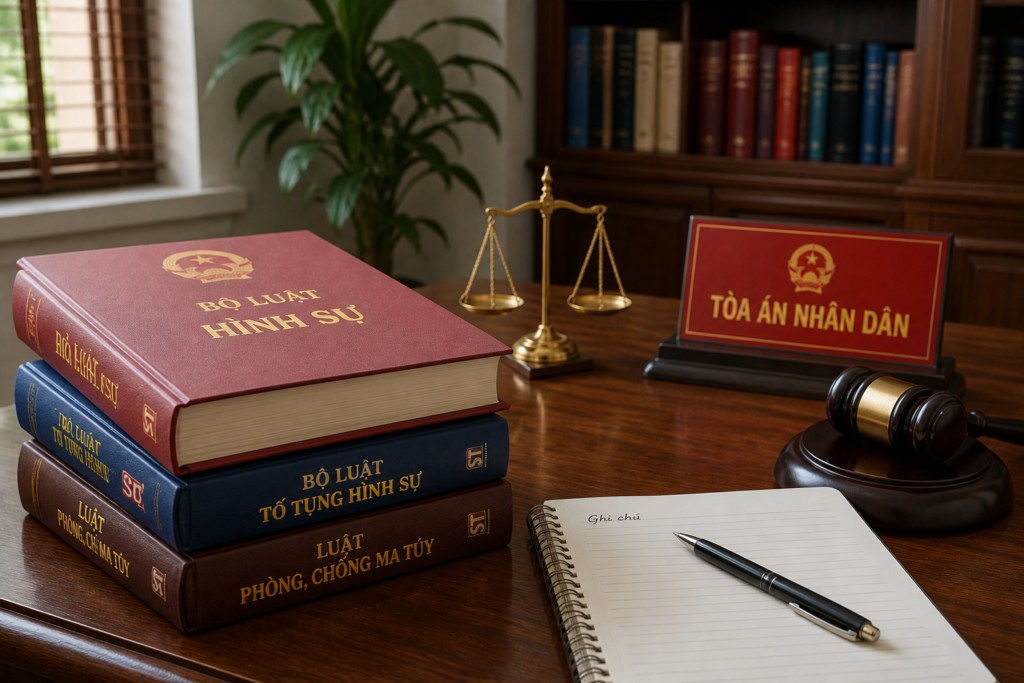
Possession or storage of a narcotic can result in criminal prosecution once the applicable legal threshold is met. Sentences may include imprisonment and additional measures such as fines, restrictions on holding certain positions, or confiscation of property. Even where a criminal threshold is not established, a person may still face questioning, seizure of the substance, administrative action, or drug-related monitoring.
Do not assume that a small bag is harmless. The substance may be weighed, tested, and classified by authorities. Packaging, messages, payment records, scales, multiple packets, and statements from other people can affect how investigators interpret the situation.
Sale, trafficking, and transport
Drug trafficking and illegal transport are treated as serious offenses in Vietnam. A person does not necessarily need to be a large-scale dealer to face a serious allegation. Passing cannabis to another person, arranging a courier, carrying it for someone else, or taking it across an international border can produce much greater exposure than simple possession.
Trafficking and transport penalties can become extremely severe where the quantity is high or aggravating circumstances apply. In the most serious drug cases, Vietnamese law allows very long prison sentences and, for certain offenses and quantities, the harshest penalties available under the Criminal Code. Foreign nationals are not exempt from these rules.
Cannabis cultivation
Growing a cannabis plant is not a safe personal-use alternative. Cultivation can be unlawful even when the plant is grown indoors, on private land, or for personal consumption. The number of plants, prior warnings or convictions, and the reason for growing may affect the legal assessment, but none of these factors creates a general right to cultivate cannabis in Tu Son.
Drug testing and police encounters
Authorities may investigate suspected drug use following a complaint, a traffic incident, a venue inspection, a search, or information from another person. A positive test can become part of an administrative or criminal investigation, although the legal outcome depends on the complete evidence and applicable provisions.
A common mistake is to believe that cannabis is safe because its effects have ended. Drug tests can detect substances or metabolites after the immediate feeling of intoxication has passed. Detection time varies with the product, frequency of use, body chemistry, and the type of test. There is no reliable legal “safe period” that guarantees a negative result.
If approached by authorities, remain calm and polite. Do not argue, resist, threaten anyone, or attempt to hide or destroy evidence. Ask what procedure is taking place and request an interpreter if you do not understand Vietnamese. Foreign visitors should ask to contact their embassy or consulate and should request legal assistance before signing documents they cannot understand.
Traveling to and from Tu Son with cannabis
Do not bring cannabis into Tu Son from another Vietnamese city, and do not carry it onward to Hanoi, Bắc Giang, an airport, or another province. Domestic travel does not make possession lawful. Moving a controlled substance can create a transport allegation, especially when police believe the substance was intended for another person.
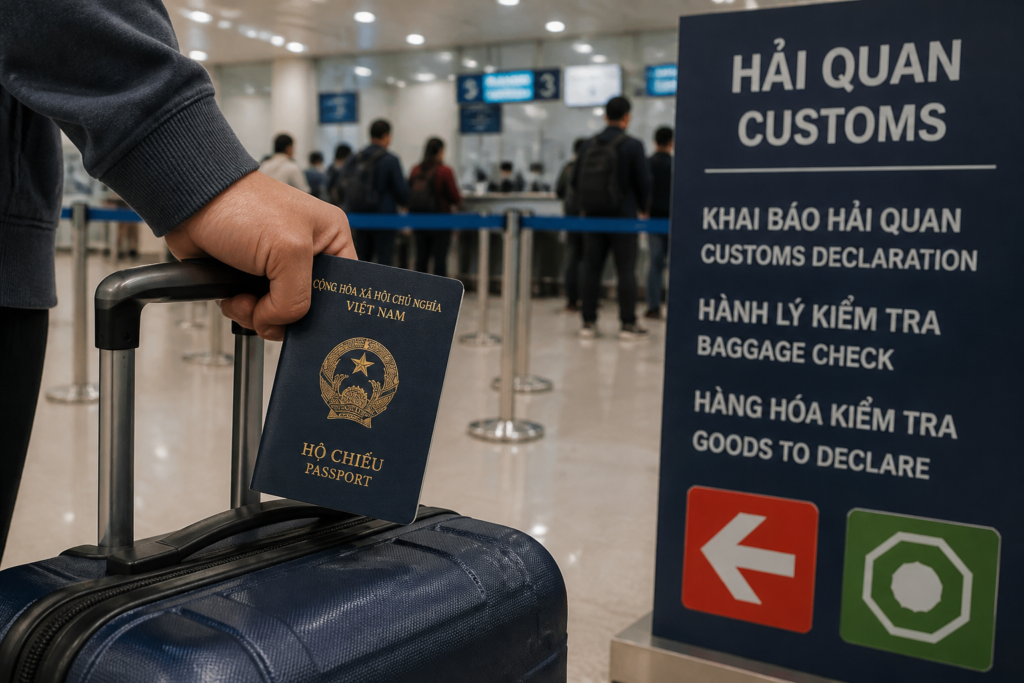
International travel presents even greater danger. Never carry cannabis, cannabis oil, edibles, vape cartridges, resin, seeds, or cannabis-labeled products through an airport or across the Vietnamese border. Airport security, customs authorities, and border officials may use screening, baggage inspection, and questioning. A product legally purchased in another country remains a potential narcotic problem when brought into Vietnam.
Be especially cautious with gifts, packages, and luggage belonging to someone else. You can still face questioning if prohibited substances are discovered in a bag, parcel, vehicle, or room associated with you. Keep control of your own belongings and do not agree to transport an item that you have not inspected and are not legally certain about.
Hotels, apartments, nightlife, and online sellers
Hotels, serviced apartments, karaoke venues, bars, and private rental properties are not protected zones for cannabis. A venue may have its own rules and may cooperate with police during an inspection. Landlords and hotel staff can also report suspected drug activity, and a complaint may lead to searches or questioning.
Online sellers are another major risk. Listings on social media, encrypted messaging platforms, and informal delivery groups may be scams, police operations, or sources of contaminated products. Buying through a phone does not reduce legal responsibility. Chat records, bank transfers, delivery details, and location data may be used as evidence in an investigation.
Do not accept a vape, edible, cigarette, drink, or bag from an unfamiliar person. Cannabis products can be mislabeled, mixed with other substances, or made with unknown chemicals. If you think someone has drugged you or you feel seriously unwell, seek medical help immediately and explain what happened as clearly as possible.
What about CBD, hemp, and medical cannabis?
Vietnam should not be treated as a medical-cannabis destination. A foreign medical-cannabis prescription, patient card, or recommendation does not automatically authorize possession or importation in Vietnam. Travelers should obtain written guidance from Vietnamese authorities before bringing any cannabinoid medicine, including oils, capsules, cosmetics, or vape products.
Hemp and CBD products require particular caution. Some products marketed internationally as CBD may contain THC or other controlled ingredients. Product names and sales claims are not a legal guarantee. If a medicine is essential, carry only products that Vietnamese authorities have confirmed are permitted, retain the original packaging and prescription, and check import rules before departure. When in doubt, leave the product at home and ask a licensed doctor or pharmacist in Vietnam about lawful alternatives.
Practical advice for visitors in Tu Son
- Do not buy, possess, use, grow, or transport cannabis. This is the clearest way to avoid drug-related legal risk.
- Do not rely on local rumors. Claims that cannabis is tolerated in a particular neighborhood, hotel, or city do not override national law.
- Keep cannabis out of luggage and vehicles. Never carry a package or bag for an acquaintance without knowing exactly what it contains.
- Check medicines before travel. Ask a Vietnamese embassy, consulate, licensed physician, or customs authority about controlled ingredients.
- Respect venue and accommodation rules. Smoking complaints or suspicious behavior can bring police attention even when no cannabis is involved.
- If detained, request assistance. Ask for an interpreter, contact your embassy or consulate, and seek a Vietnamese criminal-defense lawyer.
How Tu Son compares with nearby areas
Tu Son’s proximity to Hanoi and Bắc Giang can create the impression that its rules differ from those in nearby cities. They do not. Drug offenses are primarily governed by national Vietnamese law, so traveling a short distance does not create a more permissive cannabis environment.
For related northern Vietnam travel information, see our guide to cannabis laws in Bắc Giang. Visitors continuing into the capital may also wish to read our overview of weed laws in Hanoi. These guides provide regional travel context, but the same basic rule applies: recreational cannabis is not legal.
Frequently asked questions
Can tourists use weed in Tu Son?
No. Tourists are subject to the same Vietnamese drug laws as residents. Nationality, a foreign passport, or a short stay does not create an exemption.
Can I smoke cannabis in my hotel room?
A hotel room is not a legal exception. Cannabis use or possession may lead to a police investigation, eviction, testing, administrative action, or criminal charges depending on the circumstances.
Can I bring CBD oil to Tu Son?
Do not assume that CBD oil is permitted. Products may contain THC or other controlled substances, and importation rules can be strict. Obtain specific confirmation from Vietnamese authorities before traveling with any cannabinoid product.
What should I do if police find cannabis?
Stay calm, do not resist, and do not sign a statement you cannot understand. Request an interpreter, ask to contact your embassy or consulate, and obtain advice from a qualified Vietnamese lawyer as soon as possible.
Conclusion
Weed is not legal for recreational use in Tu Son. Vietnam’s national drug laws apply throughout Từ Sơn and Bắc Ninh, and the consequences can range from seizure and administrative measures to serious criminal prosecution and imprisonment. Possession, use, cultivation, transport, sale, and importation all carry avoidable risks.
The safest approach is simple: do not buy or use cannabis, do not carry unknown products or packages, and check any prescription medicine before entering Vietnam. If a legal issue has already arisen, seek professional Vietnamese legal advice and consular assistance rather than relying on online claims or local assurances.