Weed in Bac Ninh, Vietnam: Laws, Risks, and Safer Travel Advice
Bac Ninh is a busy province northeast of Hanoi, known for its traditional quan họ singing, temples, manufacturing hubs, and close connections to the capital. Visitors may also search online for information about weed in Bac Ninh, Vietnam, often because they want to understand local laws or assess the risks of carrying cannabis while travelling.
The key point is straightforward: cannabis is illegal in Vietnam. There is no tourist exemption, and Bac Ninh does not operate under more relaxed rules than other parts of the country. Possession, use, cultivation, transport, and supply can all create serious legal problems. A substance sold as cannabis may also be contaminated, misidentified, or treated as another controlled drug by authorities.
This guide provides general travel and legal information, not a way to obtain or conceal drugs. Laws and enforcement practices can change, so anyone facing an actual investigation should contact a qualified Vietnamese lawyer and their embassy or consulate as soon as possible.
Is weed legal in Bac Ninh?
No. Recreational cannabis is not legal in Bac Ninh or elsewhere in Vietnam. Vietnamese authorities regulate cannabis and cannabis-derived materials as narcotics or controlled substances. The fact that cannabis may be treated differently in some other countries does not affect its status in Vietnam.
Vietnamese drug law can apply to several forms of involvement, including holding cannabis, using it, growing cannabis plants, transporting it, selling it, or helping another person obtain it. The legal outcome depends on factors such as the substance, quantity, conduct alleged, evidence, and the person’s role. Foreign nationality does not prevent investigation or prosecution.
Travellers should also avoid assuming that a small amount is automatically harmless. Even where a case does not result in the most severe criminal charge, detention, questioning, fines, immigration consequences, deportation, and travel disruption remain possible.
It is also unwise to rely on informal distinctions such as “natural,” “organic,” “hemp,” or “low-THC.” Product names used by sellers or manufacturers do not determine how Vietnamese authorities will classify an item. The contents, documentation, and applicable regulations are more important than the marketing language on a package.
How Vietnamese drug laws affect visitors
Vietnam has a strict approach to controlled drugs. The Law on Drug Prevention and Control and provisions of the Penal Code establish criminal and administrative consequences for drug-related conduct. The rules are not limited to large-scale dealers. Depending on the facts, possession, transport, production, cultivation, and distribution may all attract penalties.
Legal processes can involve several stages, including questioning, seizure, testing, evidence collection, temporary detention, investigation, prosecution, and court proceedings. The precise process depends on the allegation and the available evidence. A traveller who believes the matter is minor should still obtain advice quickly rather than assuming it will resolve informally.
Language can make a stressful situation more difficult. A visitor may misunderstand a question, sign a document without appreciating its meaning, or fail to explain relevant medical or travel information. Professional interpretation and advice from a Vietnamese-qualified lawyer are therefore important where authorities are involved.
Possession and personal use
Being found with cannabis can lead to police questioning, seizure of the substance, testing, and an investigation. The distinction between “personal use” and possession is not a guarantee of safety. A person may still face administrative action or criminal proceedings depending on the evidence and circumstances.
Vietnam also conducts drug testing in some enforcement situations. A positive result can create additional complications, particularly if officers believe the person used a controlled substance in the country. Never assume that using cannabis privately, in accommodation, or before entering Vietnam eliminates legal exposure.
Possession may be alleged based on where an item is found, who appears to control it, statements made by witnesses, messages, payment records, or other evidence. Sharing accommodation or transport with another person does not automatically establish responsibility, but it can create confusion about ownership and knowledge. Travellers should avoid taking custody of property that they have not inspected or do not understand.
Supply, transport, and cultivation
Transporting cannabis between cities, bringing it across a border, sharing it with another person, selling it, or growing plants can be treated much more seriously than simple personal possession. Serious drug trafficking and related offences can carry very long prison sentences, life imprisonment, or, for certain offences and quantities, the death penalty.
That does not mean every cannabis case receives the maximum punishment. It does mean that visitors should not treat an informal purchase, a delivery, or a request to carry a package as a low-risk favour. The potential consequences can be disproportionate to the money involved.
Moving an item for someone else can be particularly dangerous because a traveller may not know its contents, quantity, or intended destination. A claim that a parcel contains clothing, food, or a legal supplement should not be accepted without verification. The safest response is to decline to carry luggage, packages, or sealed containers for people who are not close and trusted companions.
Why Bac Ninh deserves particular caution
Bac Ninh is not an isolated resort area with a separate cannabis culture or special legal status. It is a highly connected province with industrial parks, dense urban areas, residential communities, and regular movement between Bac Ninh, Hanoi, Bắc Giang, and nearby provinces. Police activity can occur in hotels, guesthouses, entertainment venues, roads, workplaces, and residential areas.
The province’s proximity to Hanoi may make it easy to travel between the two places, but it does not make drug laws less strict. Advice that someone receives in another country, online forum, or tourist district may be inaccurate for Vietnam. If you are also visiting the capital, the practical legal position is broadly the same; our guide to weed in Hanoi offers related travel context.
Bac Ninh’s industrial economy also means that visitors may stay in short-term apartments, worker housing, business hotels, or guesthouses rather than conventional tourist resorts. Rules regarding registration, identification, visitors, and surveillance may differ by property. Accommodation staff may be required to record guest information or cooperate with official inquiries.
Travellers should not interpret a relaxed social atmosphere, a seller’s confidence, or the presence of other foreigners as evidence that cannabis is tolerated. Enforcement can be unpredictable from a visitor’s perspective, and a person cannot know in advance which conduct will attract attention.
Common risks for tourists and expatriates
Visitors can encounter risk in several ways, including without intending to become involved in the local drug market. Common situations include:
- Accepting a cigarette, edible, vape cartridge, or bag from a new acquaintance without knowing what it contains.
- Carrying a friend’s backpack, parcel, or luggage through a hotel, airport, train station, or border checkpoint.
- Buying a product labelled as cannabis when it is actually a different or mixed substance.
- Posting messages about drugs or arranging delivery through social media and messaging apps.
- Using cannabis in accommodation and assuming staff or neighbours will not report it.
- Bringing cannabis purchased legally abroad into Vietnam.
- Leaving cannabis, seeds, grinders, pipes, rolling papers, or other related items in checked or carry-on luggage.
- Allowing another person to use a room, vehicle, or rented apartment without knowing what they are bringing inside.
Airport and border controls are especially important. A product that was legal where you bought it can still be illegal when you enter Vietnam. Do not carry cannabis flower, resin, oils, edibles, vape products, seeds, or related paraphernalia across an international border without verified legal advice.
Do not rely on vacuum-sealing, odour-proof packaging, misleading labels, or claims that authorities cannot detect a product. Attempts to conceal a controlled substance can make a situation more serious and may create additional evidence of deliberate conduct.
Product uncertainty and health risks
Illicit cannabis products are not subject to reliable quality control. A bag, vape, sweet, or bottle may contain a different drug, a high concentration of an active ingredient, synthetic cannabinoids, pesticides, solvents, or other contaminants. Edibles can be especially difficult to assess because the contents may be unevenly distributed and effects may be delayed.
Visitors who experience severe anxiety, confusion, chest pain, loss of consciousness, breathing difficulties, seizures, or dangerous behaviour should seek emergency medical help immediately. Do not drive, swim, climb, or operate machinery after consuming an unknown substance. If possible, tell medical staff honestly what may have been taken so they can respond safely.
Health concerns do not remove legal risks, but delaying emergency treatment can make both health and legal consequences worse. Friends should prioritise immediate safety, stay with an unwell person, and avoid attempting to restrain them unless necessary to prevent immediate harm.
Can medical cannabis be used in Bac Ninh?
Vietnam should not be approached as a medical-cannabis destination. A prescription or medical authorization from another country is not automatically recognized as permission to possess cannabis in Vietnam. CBD products, cannabis oils, gummies, and medicines may also raise legal questions depending on their ingredients and documentation.
If you use a prescription medicine that contains a controlled ingredient, speak with the Vietnamese embassy or consulate and the relevant Vietnamese authorities before travelling. Carrying a doctor’s letter alone may not be enough. Keep medicines in original packaging and bring only what has been specifically cleared for entry.
Do not substitute a cannabis product for prescribed treatment without speaking to a medical professional. Travellers who need pain relief, sleep medication, anxiety treatment, or other ongoing care should arrange lawful alternatives before departure. Ask about the generic name, active ingredients, permitted quantity, and required documentation for every medicine you plan to bring.
Because rules can change and product formulations vary, written confirmation is safer than relying on a pharmacy label, an internet post, or advice from a seller. If no clear confirmation is available, leaving the product at home is the safer option.
What happens if police stop or question you?
Stay calm, polite, and cooperative. Do not argue physically, attempt to leave, destroy evidence, or offer money to make the situation disappear. Bribery can create a separate and potentially serious problem.
You can ask why you are being detained or questioned and request an interpreter if you do not understand Vietnamese. Avoid signing documents you cannot read or understand. Ask for a translated explanation and request legal assistance. Visitors should contact their embassy or consulate, although consular officials cannot cancel local proceedings or guarantee release.
- Remain respectful and keep your answers factual.
- Ask for an interpreter when necessary.
- Do not guess, speculate, or make false statements.
- Do not sign a statement without understanding it.
- Request a lawyer and notify your embassy or consulate.
- Record important contact details and preserve relevant documents where lawful.
Do not assume that being released after initial questioning means the matter is finished. Authorities may request further interviews, documents, testing, or court attendance. Ask your lawyer what restrictions apply before leaving the province or country.
Local procedure can be unfamiliar and may move more slowly than visitors expect. A lawyer licensed to practise in Vietnam can explain the allegations, communicate with investigators, and advise on the next steps. Online comments or advice from other travellers are not a substitute for professional representation.
Practical steps before travelling to Bac Ninh
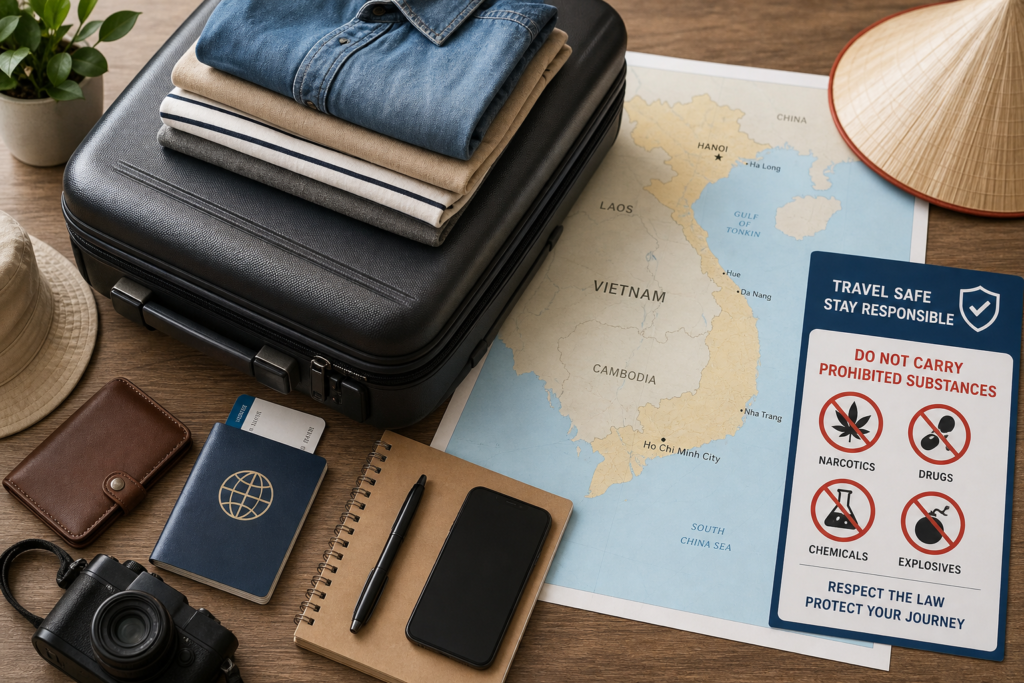
A small amount of preparation can prevent avoidable problems. Before departure, check your luggage carefully and remove cannabis products, seeds, residue, and drug-related accessories. Review medicines individually rather than assuming that all prescription or over-the-counter products are permitted.
- Use official government or embassy sources for entry and medication information.
- Save your embassy or consulate’s emergency contact details offline.
- Keep copies of your passport, visa, insurance, and prescriptions securely stored.
- Book accommodation that is properly registered and provides clear check-in procedures.
- Do not accept sealed luggage, parcels, envelopes, or gifts for international or domestic transport.
- Tell travel companions that you will not carry unknown substances or packages.
- Plan safe transport and avoid driving after drinking alcohol or taking any unknown substance.
Digital security also matters. Avoid arranging controlled substances through messaging applications, storing incriminating material on a shared device, or sending casual messages that could be misunderstood. Do not attempt to delete or manipulate evidence if authorities have begun an investigation; seek legal advice instead.
Safer choices when visiting Bac Ninh
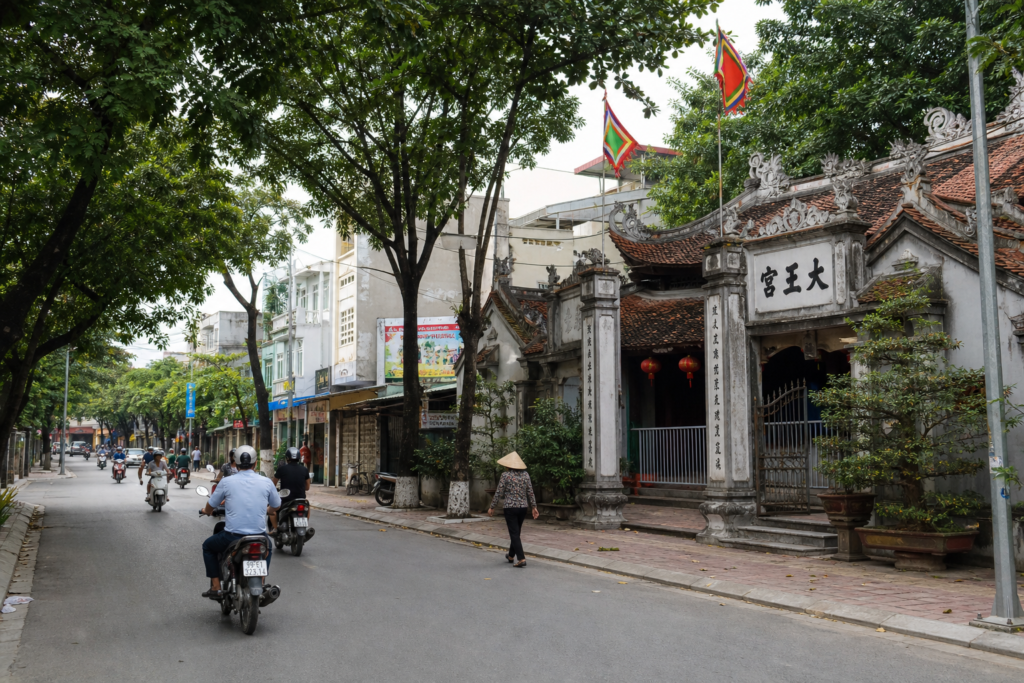
The safest approach is not to buy, carry, use, grow, or transport cannabis. Instead, enjoy activities that do not create legal exposure. Bac Ninh is well suited to cultural and daytime travel, including visits to temples, village sites, traditional craft areas, local markets, and performances of quan họ folk singing.
Plan transport carefully, particularly if travelling between industrial zones and central areas. Use reputable accommodation, keep your passport secure, and follow local rules about photography, public behaviour, and restricted sites. Alcohol can also cause problems when combined with driving, loud behaviour, or disputes, so moderation is sensible.
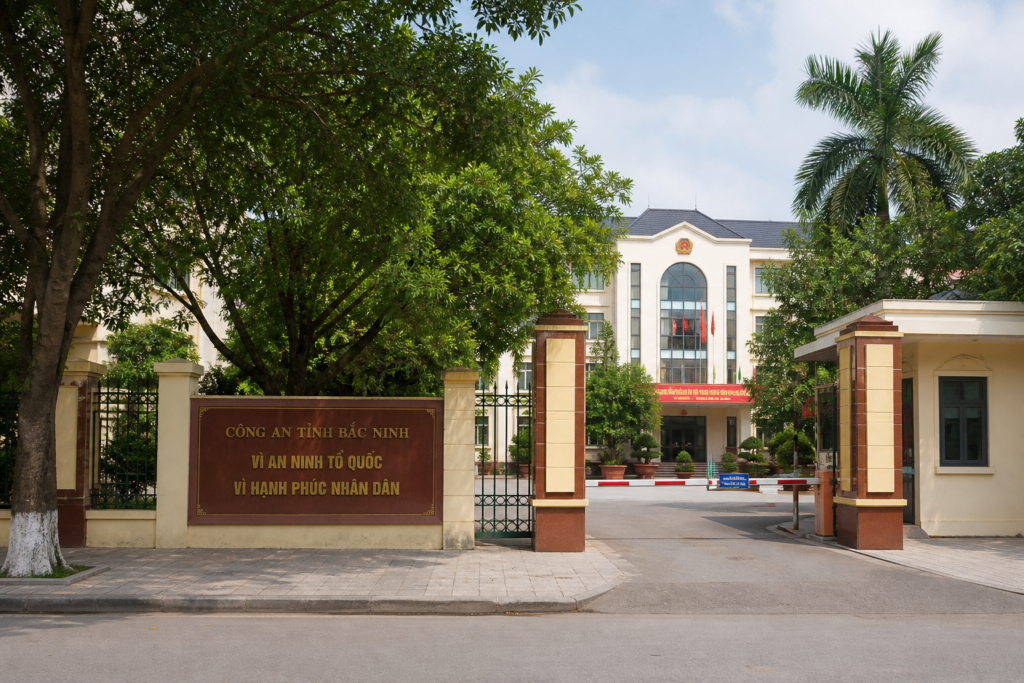
Respect local customs when visiting religious and community spaces. Dress appropriately, ask before photographing people or ceremonies, and follow instructions at temples, historical sites, factories, and government facilities. These simple precautions can help prevent conflicts unrelated to drugs.
If you are continuing through northern Vietnam, check current official travel guidance rather than relying on assumptions about local enforcement. Information about weed in Viet Tri, weed in Yen Bai, and weed in Sa Pa may help with broader regional planning, but the same core warning applies: cannabis remains illegal throughout Vietnam.
Questions travellers often ask
Is a small amount of weed safe in Bac Ninh?
No amount should be treated as legally safe. The consequences depend on the facts, but even a small quantity can result in questioning, seizure, detention, fines, immigration difficulties, or prosecution.
Can tourists buy weed in Bac Ninh?
Buying cannabis is not a lawful tourist activity. We cannot help locate sellers or explain how to avoid detection. Informal products may be counterfeit or contaminated, and a purchase can expose both the buyer and the seller to legal risk.
Can I bring CBD or cannabis edibles into Vietnam?
Do not assume that CBD, hemp products, oils, or edibles are permitted. Ingredients and thresholds can matter, and border authorities may not treat a foreign label as proof of legality. Obtain written, current guidance before travelling with any product connected to cannabis.
Does cannabis use in another country matter?
It may matter if it results in a positive test or becomes relevant to an investigation. More importantly, cannabis brought into Vietnam or used in Vietnam can create local legal exposure regardless of where it was purchased.
Can I smoke cannabis in a private hotel room?
A private room is not a legal exemption. Hotel staff, neighbours, security personnel, or other guests may report suspicious activity, and police may investigate. Smoking can also violate accommodation rules and create additional problems involving property damage, fire safety, or disturbance.
What if someone leaves cannabis in my luggage?
Do not carry the luggage onward or attempt to hide or destroy the item. Move away from any immediate danger, contact a lawyer if authorities are involved, and explain the situation truthfully. Prevention is easier than resolving a dispute about ownership after a checkpoint or search.
Conclusion
For anyone searching for weed in Bac Ninh, Vietnam, the practical answer is to avoid cannabis entirely. Vietnam has strict drug laws, and Bac Ninh offers no special exemption for visitors, expatriates, medical users, or people carrying only a small amount. Possession, use, transport, cultivation, and supply can all have serious consequences.
Keep cannabis and related products out of your luggage, do not accept packages or substances from strangers, and seek qualified legal and consular help if authorities become involved. Careful planning lets you experience Bac Ninh’s culture and landscapes without turning a short trip into a major legal and personal crisis.