Cannabis Laws in Bac Kan, Vietnam: Rules, Risks, and Travel Advice
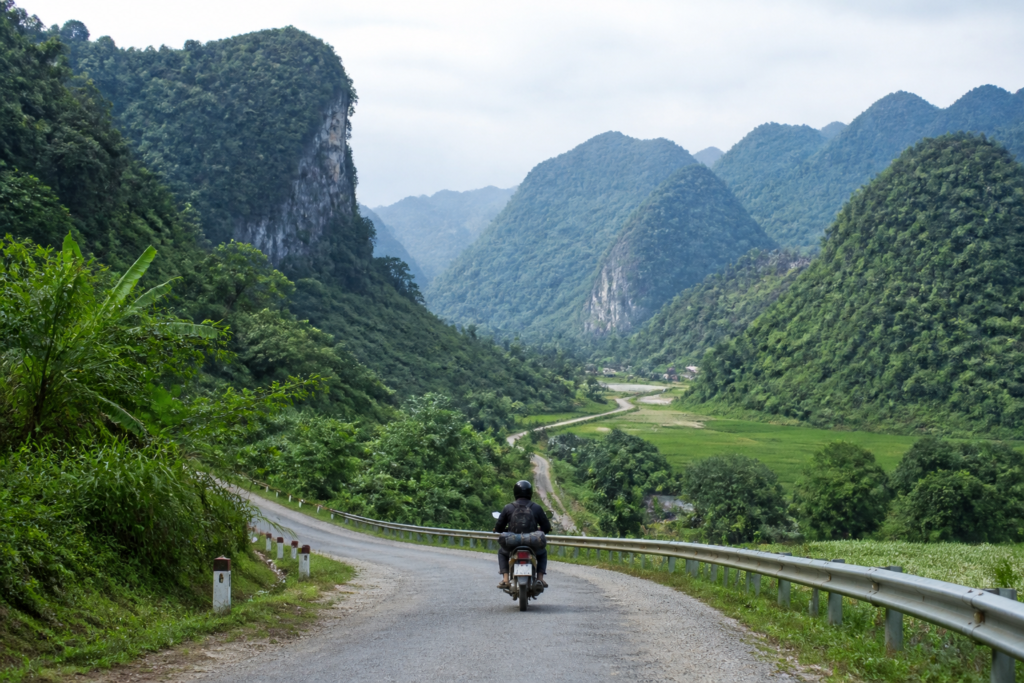
Bac Kan is a mountainous province in northern Vietnam, known for Ba Be Lake, forested landscapes, ethnic minority communities, and quieter rural travel than Hanoi or the major coastal cities. Its remote setting does not create a separate legal environment for cannabis. Vietnam’s national drug laws apply in Bac Kan just as they do everywhere else in the country.
Cannabis, marijuana, hashish, cannabis resin, and cannabis plants are treated as illegal narcotic substances under Vietnamese law. Possession, use, cultivation, transport, supply, and importation can all lead to serious consequences. Foreign visitors should not assume that a small quantity, private consumption, or an apparently tolerant social setting makes cannabis safe or lawful.
This guide explains the practical legal position in Bac Kan and the main risks for residents and travelers. It is general information, not legal advice. Vietnamese legislation and enforcement practices can change, so anyone facing an investigation should contact a qualified lawyer and their embassy or consulate.
Is cannabis legal in Bac Kan?
No. Recreational cannabis is not legal in Bac Kan. Vietnam has a highly restrictive approach to narcotics, and cannabis is not regulated like alcohol or tobacco. There is no licensed recreational cannabis market, no legal dispensary system, and no general permission for tourists to possess or consume marijuana.
The same rule applies whether cannabis is found in dried flower, resin, edibles, oils, vape cartridges, or another preparation. A product sold as hemp, CBD, herbal cannabis, or a souvenir may still create legal problems if it contains controlled cannabis compounds or is treated by authorities as a narcotic product.
Bac Kan’s rural character, smaller towns, and distance from international tourist centers do not reduce the legal risk. Police and other authorities can investigate suspected drug offenses throughout the province. A lack of visible enforcement in a particular place should not be interpreted as permission.
How Vietnam’s national law applies in Bac Kan
Vietnam’s narcotics framework is established primarily through national legislation, including the Law on Prevention and Control of Narcotic Substances and related government decrees. Controlled substances and their preparations are identified in national schedules. Cannabis and cannabis-derived materials are generally treated within the prohibited narcotics framework rather than as ordinary agricultural or wellness products.
The Penal Code provides criminal offenses and penalties for conduct such as illegal production, possession, transport, and trading of narcotics. Administrative rules may also apply in situations that do not result in a criminal prosecution. The outcome can depend on the substance, its measured quantity, the conduct involved, prior history, evidence, and other circumstances.
There is no Bac Kan cannabis exemption comparable to a local legalization program. Provincial authorities enforce national Vietnamese law, so the legal answer is the same in Bac Kan City, Ba Be District, Cho Don District, Na Ri District, Pac Nam District, Bach Thong District, and other parts of the province.
Which cannabis-related activities create legal risk?
Possession
Having cannabis in a pocket, backpack, hotel room, motorbike compartment, vehicle, homestay, or rented property can be treated as illegal possession. Ownership is not necessary for authorities to investigate. A person may face questions if the substance is found among shared belongings or in a room under their control.

Vietnamese criminal law can impose severe penalties for illegal possession of narcotics, with consequences depending in part on the type and quantity involved. Even when a person believes the amount is too small to matter, the substance may be seized, tested, and documented. Do not rely on informal claims that “small amounts are ignored.”
Use and consumption
Using cannabis is not a legally protected private activity in Vietnam. Consumption may expose a person to administrative measures, compulsory treatment-related procedures in applicable cases, or further investigation when connected with possession, organization, supply, or another offense.
Drug use can also create practical problems. A positive test, visible intoxication, or a report from a hotel, host, employer, or travel companion may attract official attention. Drug-related conduct combined with disorderly behavior, driving, injury, or damage to property can create additional legal consequences.
Buying, selling, or sharing
Offering cannabis to another person is especially dangerous. Selling, arranging a sale, brokering a transaction, or distributing the substance can be treated as illegal narcotics trading. Sharing cannabis without payment is not automatically safe: authorities may view it as supplying or facilitating use depending on the facts.
Messages, bank transfers, delivery records, online advertisements, and contact with a seller can become evidence in an investigation. Do not ask a local person to obtain cannabis on your behalf, and do not carry a package for someone else without knowing exactly what it contains.
Transport and delivery
Carrying cannabis between districts, from another province into Bac Kan, or onward to Hanoi can create a separate transport issue. The risk applies whether the journey is by private motorbike, taxi, bus, car, or parcel delivery. A traveler does not need to cross an international border for transport laws to become relevant.
Transporting narcotics for another person is particularly risky because the owner may not be present when the package is discovered. Keep control of your luggage and refuse to carry unverified parcels, envelopes, or gifts.
Cultivation and production
Growing cannabis plants is not a lawful personal gardening activity in Bac Kan. Cultivation, processing flower or resin, making cannabis edibles, and extracting cannabis oil may be investigated as narcotics-related conduct. The fact that a plant is grown at home or in a remote rural area does not make it legal.
Potential penalties for cannabis offenses
Vietnam is known for strict narcotics enforcement. Criminal penalties can include lengthy imprisonment and, for serious drug offenses or large quantities, exceptionally severe sentences. The applicable punishment depends on the offense charged, the substance and quantity, the person’s role, prior convictions, aggravating factors, and the evidence available.
Potential consequences may include:
- Seizure and testing of the suspected substance.
- Questioning, detention, or restrictions on travel during an investigation.
- Administrative fines or other administrative measures in applicable cases.
- Criminal prosecution for possession, transport, production, trading, or organizing drug use.
- Imprisonment, with substantially higher penalties for supply, large quantities, repeat conduct, or organized activity.
- Immigration consequences for foreign nationals, including cancellation of permission to stay, deportation, or difficulty returning to Vietnam.
Exact penalties cannot be predicted from the word “cannabis” alone. Vietnamese authorities may weigh laboratory results, net weight, packaging, communications, witness statements, and the suspected purpose of the conduct. A traveler should not attempt to calculate a “safe” amount.
Why rural travel does not remove the risk
Visitors sometimes believe that remote destinations are less regulated than Hanoi or Ho Chi Minh City. Bac Kan’s mountains and dispersed settlements may make the province feel relaxed, but the underlying law remains strict. Police checks, local reports, accommodation records, and road inspections can still lead to scrutiny.
Rural travel also creates additional practical vulnerabilities. English-language legal assistance may be less readily available, transport links may be limited, and misunderstandings can be harder to resolve quickly. A dispute with a driver, host, guide, or companion can bring attention to prohibited substances that might otherwise have remained undiscovered.
Do not treat a quiet guesthouse, trekking route, campsite, or lakeside location as a private legal zone. Private property does not authorize cannabis possession or use.
Border and transport risks around Bac Kan
Bac Kan is inland, but travelers may combine a visit with trips through Hanoi, Cao Bang, Lang Son, Ha Giang, or other northern provinces. Moving cannabis between destinations increases the number of places where it may be discovered. Bus luggage, motorbike storage compartments, hotel rooms, and domestic transport can all be searched or reported.
International border risks are even more serious. Never take cannabis across a Vietnamese border, including in checked luggage, carry-on baggage, medication containers, food packaging, or electronic vaporizer cartridges. Importing or exporting a controlled substance can produce severe criminal exposure, and a product that was legally purchased in another country is not necessarily lawful in Vietnam.
Before traveling, inspect bags and clothing carefully. Remove cannabis residue, plant material, grinders, pipes, rolling papers containing residue, and unmarked oils or cartridges. This is not a guarantee against problems, but it reduces the risk of carrying prohibited material unknowingly.
Medicinal cannabis, CBD, and hemp products
Vietnam does not provide a broad medical-cannabis exception for tourists who bring their own products. A foreign prescription or medical authorization from another country may not protect a traveler from Vietnamese narcotics law. Do not bring cannabis flower, THC medication, cannabis oil, edibles, or vape cartridges into Bac Kan without obtaining reliable, product-specific legal confirmation from Vietnamese authorities in advance.
CBD and hemp products require caution. Labels can be inaccurate, and products may contain tetrahydrocannabinol or other regulated ingredients. Customs and police may assess the actual contents rather than relying only on packaging. If a product is medically necessary, carry its original packaging and documentation, but understand that documents do not automatically make a controlled product legal.
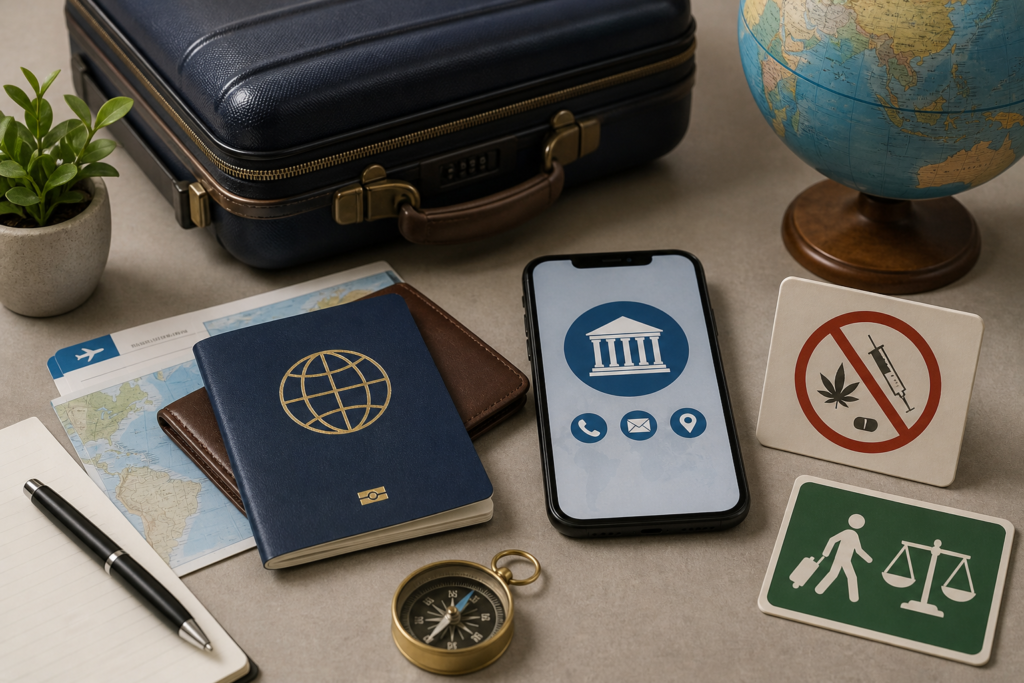
Ask a Vietnamese doctor or licensed pharmacy about lawful alternatives before travel. Do not assume that a product sold legally in Europe, North America, Thailand, or another jurisdiction can be imported or used in Vietnam.
Safer travel advice for Bac Kan
The safest approach is simple: do not buy, possess, use, grow, transport, or carry cannabis in Bac Kan. Travelers can enjoy the province’s scenery without taking a risk that may affect their freedom, finances, immigration status, and future travel.
- Do not respond to online offers for marijuana, hashish, edibles, or vape products.
- Do not accept cannabis or an unknown package from a new acquaintance, driver, guide, or fellow traveler.
- Keep luggage under your control and avoid storing belongings for other people.
- Check accommodation rules and leave immediately if someone is using drugs in your room or transport.
- Do not drive a motorbike or car after consuming any intoxicating substance.
- Do not photograph, advertise, or post about illegal drug activity.
- Carry prescribed medicines in original packaging and verify import rules before departure.
- Save your embassy or consulate’s emergency contact details separately from your phone.
What to do if cannabis is found or you are questioned
Stay calm and avoid arguing, fleeing, signing documents you do not understand, or making guesses about where a substance came from. Do not destroy evidence or attempt to transfer the substance to another person. Ask what authority is involved and request an interpreter if communication is difficult.
Foreign nationals should contact their embassy or consulate as soon as reasonably possible and ask for access to independent legal counsel. Consular officials generally cannot cancel Vietnamese proceedings or provide immunity, but they may explain local procedures, help contact family, and provide lists of lawyers or interpreters.
Do not assume that a friendly conversation means the matter is finished. Keep copies of your passport and travel insurance details, but hand over original documents only when required by authorized officials. A qualified Vietnamese lawyer is the appropriate person to explain the specific allegations, evidence, and available legal options.
How Bac Kan compares with other Vietnamese destinations
Travelers researching cannabis rules in northern Vietnam may also look at Hanoi, Sa Pa, or Yen Bai. The local atmosphere differs, but the central point is consistent: Vietnamese national law applies in each location, and none of these destinations has legalized recreational cannabis.
For broader regional context, see the guides to cannabis laws in Hanoi, cannabis laws in Sa Pa, and cannabis laws in Yen Bai. These articles should not be read as suggesting that enforcement or penalties are identical in every case; they reinforce that local travel plans do not create a cannabis exception.
Conclusion
Cannabis is illegal in Bac Kan under Vietnam’s national narcotics laws. Possession and use can create serious problems, while selling, sharing, transporting, cultivating, importing, or exporting cannabis can lead to much more severe criminal consequences. Remote scenery, private accommodation, medical use, foreign prescriptions, and small quantities do not automatically provide legal protection.
For a safe visit, leave cannabis and cannabis products at home, keep control of your luggage, avoid unknown parcels and online sellers, and seek professional legal or consular help if authorities become involved. The safest travel plan in Bac Kan is one that respects Vietnam’s strict drug rules from arrival to departure.