Cannabis Laws in Lai Chau, Vietnam: Legal Risks and Safer Travel Advice
Visitors searching for cannabis laws in Lai Chau, Vietnam should understand one central point: Lai Chau does not have a separate cannabis regime. Vietnamese national drug laws apply throughout the province, including Lai Chau City, Muong Te, Sin Ho, Tam Duong, Phong Tho, Than Uyen, and other rural districts.
Cannabis is not legal for recreational use in Vietnam. Possessing, using, growing, transporting, buying, selling, importing, or exporting cannabis can lead to administrative action or criminal prosecution, depending on the conduct, quantity, substance, and surrounding facts. A small amount is not automatically safe, and being a foreign visitor does not create an exemption.
Lai Chau’s mountainous geography can make the province feel remote and informal, particularly around trekking areas and ethnic minority villages. That atmosphere should not be mistaken for relaxed drug enforcement. Police, border authorities, and local officials can enforce national law in towns, guesthouses, roads, markets, transport hubs, and border areas. This guide explains the legal position in practical terms without suggesting ways to obtain or conceal drugs.
Is cannabis legal in Lai Chau?
No. Recreational cannabis is illegal in Lai Chau and throughout Vietnam. Vietnamese law treats cannabis and cannabis preparations as controlled narcotic substances. The legal risks can apply to dried plant material, resin, oils, edibles, infused products, and other preparations, even when a product is described as hemp, CBD, or a souvenir.
There is no general recreational cannabis market in Lai Chau. Visitors should not assume that a product sold openly, offered by another traveler, or described as “only a little” is lawful. The legal classification may depend on the product’s contents and the applicable controlled-substance schedules, rather than on the marketing language used by a seller.
Vietnamese authorities also do not generally recognize the recreational cannabis permissions that exist in some other countries. A prescription, medical-cannabis card, or legal purchase made abroad will not normally authorize possession in Vietnam. Anyone who needs controlled medication should check Vietnamese entry rules before travel and carry only medicines that are permitted, in original packaging, with appropriate documentation.
How Vietnamese law applies in Lai Chau
Drug control in Lai Chau is governed primarily by national legislation rather than a province-specific cannabis ordinance. The main framework includes Vietnam’s Law on Drug Prevention and Control, the Penal Code, and regulations on administrative sanctions and controlled substances. These rules are supplemented by official decrees and enforcement guidance, which may be amended over time.
The law distinguishes between different types of conduct. Possession is not the same legal issue as trafficking, while cultivation, production, and transport may carry separate offences. Investigators can also examine communications, packaging, money transfers, travel routes, group activity, and whether there is evidence of distribution.
Possession
Keeping cannabis in a pocket, backpack, room, vehicle, or rented accommodation can create a possession problem. The fact that the substance belongs to someone else may not resolve the issue if authorities believe a person knowingly controlled it. Quantity, form, purity, prior history, and the circumstances of discovery can affect the response.
Some lower-level cases may result in administrative measures, confiscation, questioning, or other official action. More serious cases can become criminal matters. Vietnamese criminal law uses statutory thresholds and classifications for narcotic substances, and the consequences may increase substantially when the relevant threshold is met or when aggravating facts are present.
Use and public consumption
Using cannabis is not a safe loophole. Drug use can expose a person to administrative consequences and, in certain legally defined circumstances, more serious liability. Public consumption can also create additional problems involving disorder, venue rules, local security checks, or allegations that another person supplied the drug.
A positive test, physical evidence, witness accounts, messages, or other evidence may become relevant during an investigation. Visitors should not assume that consuming cannabis before entering Vietnam eliminates risk. Residues, products carried across a border, and conduct occurring in Vietnam can all raise separate legal questions.
Buying, selling, and sharing
Buying cannabis is risky even if the purchaser does not intend to resell it. Selling, brokering, delivering, giving, or sharing cannabis may be treated more seriously than simple possession. The legal characterization can depend on evidence of distribution, the amount involved, the number of transactions, and the substance’s classification.
Do not accept cannabis as a gift, agree to carry a package for another person, or allow someone to use your room or vehicle for a drug transaction. A visitor may not know what is inside a package, but ignorance is not a reliable travel strategy. If someone asks you to transport an unknown item through Lai Chau or toward a border crossing, refuse and distance yourself from the arrangement.
Possible penalties for cannabis offences
Penalties depend on the offence and facts of the case. They can include warnings or fines in some administrative situations, confiscation, compulsory reporting or treatment measures where legally applicable, immigration consequences, detention during investigation, and criminal imprisonment. Foreign nationals may also face deportation, removal, visa cancellation, or difficulty returning to Vietnam.
Criminal penalties can be severe for possession above statutory thresholds and for offences involving cultivation, production, transport, trafficking, or organized activity. The type of cannabis product matters. So do the quantity, role of the accused person, prior convictions, cooperation with investigators, location, and other aggravating or mitigating circumstances.
It is unsafe to rely on a single online figure for a supposed “personal-use limit.” Vietnamese law does not provide a general recreational allowance. Thresholds in the Penal Code are not permission to carry cannabis; they help determine how conduct may be categorized after authorities have identified the substance and measured it. Courts and investigators may also consider facts beyond weight alone.
Why Lai Chau deserves particular caution
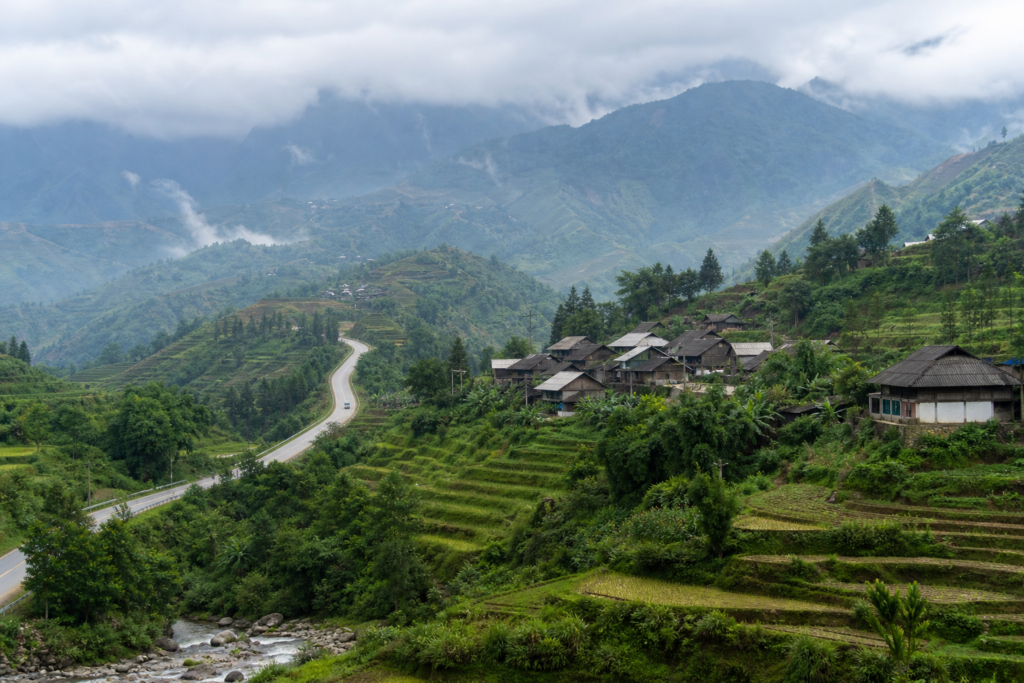
Lai Chau is a mountainous province in northwest Vietnam, known for dramatic landscapes, trekking routes, ethnic cultures, and roads connecting remote districts. Those features are attractive to travelers but can increase practical risks if a visitor becomes involved in a legal incident.
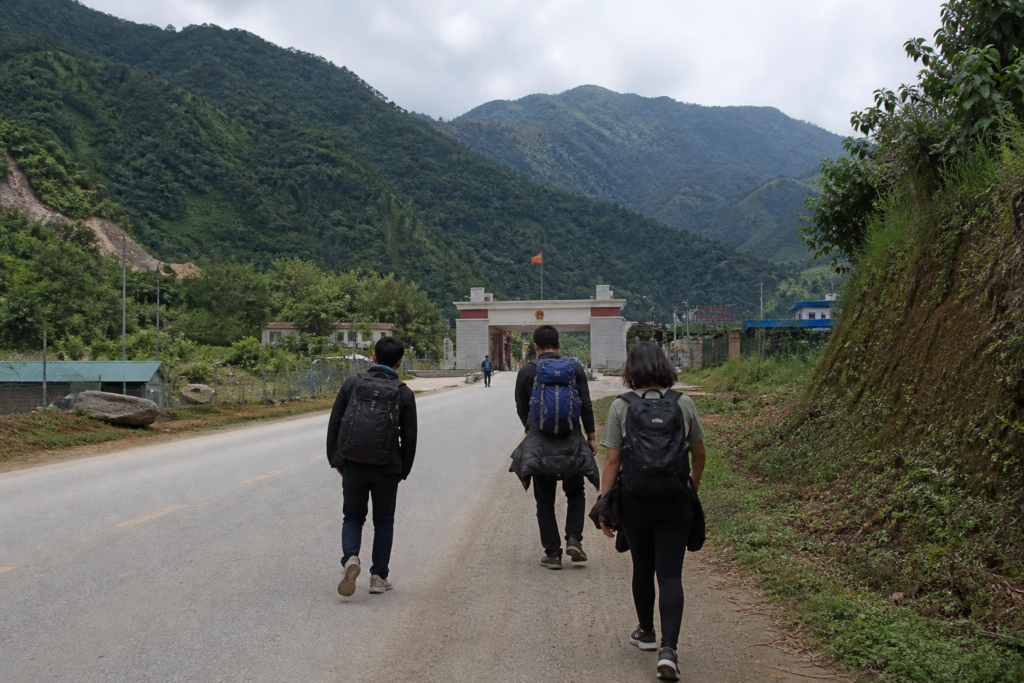
- Border sensitivity: Lai Chau lies near the international border with China. Border zones and checkpoints can involve heightened scrutiny, and drug transport across an international boundary can create especially serious consequences.
- Remote locations: A remote homestay or mountain route may be far from consular services, hospitals, interpreters, and legal professionals.
- Limited communication: Mobile coverage, transport, and access to fluent English speakers may be inconsistent outside larger towns.
- Road and vehicle checks: Travelers may encounter police checks while using buses, motorbikes, or private vehicles. Never carry a package for another person.
- Local community impact: Drug-related activity can expose hosts, guides, drivers, and accommodation providers to questioning or investigation.
These factors do not mean that Lai Chau is uniquely hostile to travelers. They mean that a misunderstanding or arrest may be harder to resolve quickly than in a major city. The safest approach is simple: do not possess or use cannabis, and avoid people who are offering it.
Cannabis, CBD, hemp, and edible products
Travelers sometimes assume that CBD oil, hemp products, gummies, vape cartridges, or cannabis cosmetics are automatically legal because they are sold legally elsewhere. That assumption can be dangerous in Vietnam. Product labels may be inaccurate, and Vietnamese authorities may test or classify a product according to its contents and applicable law.
Do not bring cannabis-derived products into Vietnam without reliable confirmation that the exact product is permitted. This includes products purchased in another country, products bought at an airport, and items that contain only a claimed trace amount of THC. Customs officers may treat an undeclared or prohibited product as a serious matter.
Industrial hemp products can raise different legal questions from controlled cannabis, but travelers should not try to make that distinction at a border or police checkpoint. Keep ordinary legal souvenirs clearly separated from anything containing plant extracts, oils, or powders, and check official Vietnamese import rules before departure.
Advice for visitors to Lai Chau
Before traveling
- Check current Vietnamese entry and customs rules through official government, embassy, or consular sources.
- Do not pack cannabis, cannabis resin, THC products, unknown oils, or cannabis-infused food.
- Review prescription medicines before departure. Keep permitted medicines in original packaging and carry supporting documentation.
- Use reputable accommodation and transport providers, especially for remote trekking or border-area travel.
- Save your embassy or consulate contact details and obtain travel insurance that covers realistic medical and legal assistance.
During your stay
- Decline offers of cannabis and leave situations where drugs are being used or sold.
- Do not store another traveler’s bag, parcel, or motorbike, and do not carry packages through checkpoints.
- Follow local rules at homestays, cultural sites, national landscapes, and border areas.
- Keep your passport and essential travel documents secure, but do not hand over personal property casually.
- If you are unsure about a product, do not buy, consume, or transport it.
For broader regional context, travelers may also find it useful to compare this guide with our coverage of cannabis laws in Bac Kan and weed laws in Yen Bai. Those provinces have different travel settings, but the underlying national drug framework is the same.
What to do if police find cannabis
Do not argue, resist, threaten officials, destroy evidence, or attempt to leave. Remain calm and polite. Ask what is happening and request an interpreter if you do not understand the questions or documents. Do not sign a statement that you cannot read or understand.
Contact your embassy or consulate as soon as possible and ask for a qualified Vietnamese criminal lawyer. Consular staff generally cannot cancel local proceedings or provide a defense, but they may explain available support, help contact family, and provide lists of local lawyers or interpreters where available.
Do not assume that paying money informally will resolve the matter. Bribery can create an additional legal problem and may make the situation worse. Keep records of official contacts, preserve relevant travel documents, and follow qualified legal advice.
Medical emergencies and cannabis use
If someone becomes seriously unwell after consuming an unknown substance, prioritize emergency medical care. Call local emergency services or ask hotel, homestay, or tour staff for help. Tell medical professionals what was consumed if known, because accurate information can affect treatment.
Do not drive, ride a motorbike, swim, trek alone, or cross difficult terrain while impaired. Lai Chau’s roads and mountain trails can be hazardous even when a person is sober. Medical treatment does not automatically remove legal risk, but delaying urgent care can create a more serious danger to life and health.
Common misconceptions about cannabis in Vietnam
- “It is natural, so it is legal.” Natural origin does not remove controlled-substance restrictions.
- “Tourists are treated differently.” Foreign visitors remain subject to Vietnamese law and may face immigration consequences in addition to local penalties.
- “A tiny amount cannot matter.” There is no general recreational allowance, and even a small amount can trigger questioning, confiscation, or legal action.
- “CBD is always permitted.” Product composition and import rules matter; labels from another country are not a guarantee.
- “Remote villages are outside enforcement.” National law applies in rural districts, trekking areas, and border regions.
- “A legal purchase abroad is safe to bring in.” Foreign legality does not make a product lawful to import into Vietnam.
Conclusion
Cannabis is illegal for recreational use in Lai Chau and across Vietnam. Possession, use, cultivation, transport, sale, sharing, and importation can all create legal problems, with consequences ranging from administrative action to criminal prosecution, imprisonment, deportation, and future travel restrictions.
The safest travel plan is not to carry or consume cannabis and not to accept packages or products from strangers. Be especially careful around border routes, checkpoints, remote homestays, and unfamiliar oils or edibles. Because Vietnamese drug rules and enforcement procedures can change, confirm current requirements with official Vietnamese authorities and your embassy before traveling, and obtain qualified local legal advice if a problem arises.