Is Weed Legal in Thai Nguyen?
No. Weed is not legal in Thai Nguyen. Thai Nguyen follows Vietnam’s national drug laws, which prohibit cannabis for recreational use and do not provide a general legal market for marijuana. Possessing, using, buying, selling, transporting or cultivating cannabis can expose a person to administrative or criminal penalties, depending on the circumstances.
Thai Nguyen is a province in northern Vietnam, and there is no separate provincial cannabis system that makes marijuana legal there. The same general rules that apply in Hanoi, Ho Chi Minh City and other Vietnamese provinces also apply in Thai Nguyen. This is important for residents, students, workers and visitors who may assume that cannabis is tolerated because it is available in some other countries in the region.
This guide explains the practical legal position, the difference between cannabis and industrial hemp, the risks associated with CBD and medical marijuana, and what travelers should do if they encounter cannabis in Thai Nguyen. It is general information, not legal advice. Vietnamese law and enforcement practices can change, so anyone facing a drug-related investigation should contact a qualified Vietnamese lawyer or their embassy or consulate.
Vietnam’s national law applies in Thai Nguyen
Thai Nguyen does not have an independent law legalizing marijuana. Drug control in Vietnam is primarily governed by national legislation and by criminal and administrative rules that apply throughout the country. Cannabis and cannabis products are treated as controlled or prohibited substances rather than ordinary consumer goods.
That means a person cannot rely on local custom, a seller’s claim, or the fact that cannabis may be offered discreetly as evidence that it is lawful. A product being easy to find does not make it legal. Enforcement can also depend on the quantity involved, the conduct alleged, previous offenses, the person’s role and other facts.
For a broader local overview, see weed in Thai Nguyen. The key point remains straightforward: Thai Nguyen is not a legal cannabis destination.
What activities are illegal?
Vietnamese authorities can treat several different activities as drug offenses. The legal consequences are not limited to selling large quantities. Even conduct that someone considers personal or informal can create serious problems.
- Possession: Keeping cannabis, cannabis flower, resin, edibles, oils or other cannabis preparations may be unlawful.
- Use: Smoking or consuming cannabis can lead to legal consequences, including in a private residence or rented accommodation.
- Purchase: Buying from a local seller does not protect the buyer from investigation or prosecution.
- Sale and supply: Giving cannabis to another person, arranging a delivery or selling it can be treated more seriously than simple possession.
- Transport: Carrying cannabis between cities, through transport hubs or across borders creates additional risks.
- Cultivation: Growing cannabis plants is not a lawful home-growing option in Thai Nguyen.
- Import and export: Bringing cannabis, cannabis medicine or related products into Vietnam can trigger customs and drug enforcement issues.
The classification of an item may depend on its ingredients, form and concentration. A cannabis product does not become safe merely because it is sold as a food, supplement, vape cartridge or herbal product.
Can you use cannabis privately in Thai Nguyen?
Private use is not a reliable legal exception. A hotel room, apartment, homestay or private gathering does not create a protected zone for marijuana consumption. Vietnamese authorities may investigate possession, use, supply or other suspected drug activity wherever it occurs.
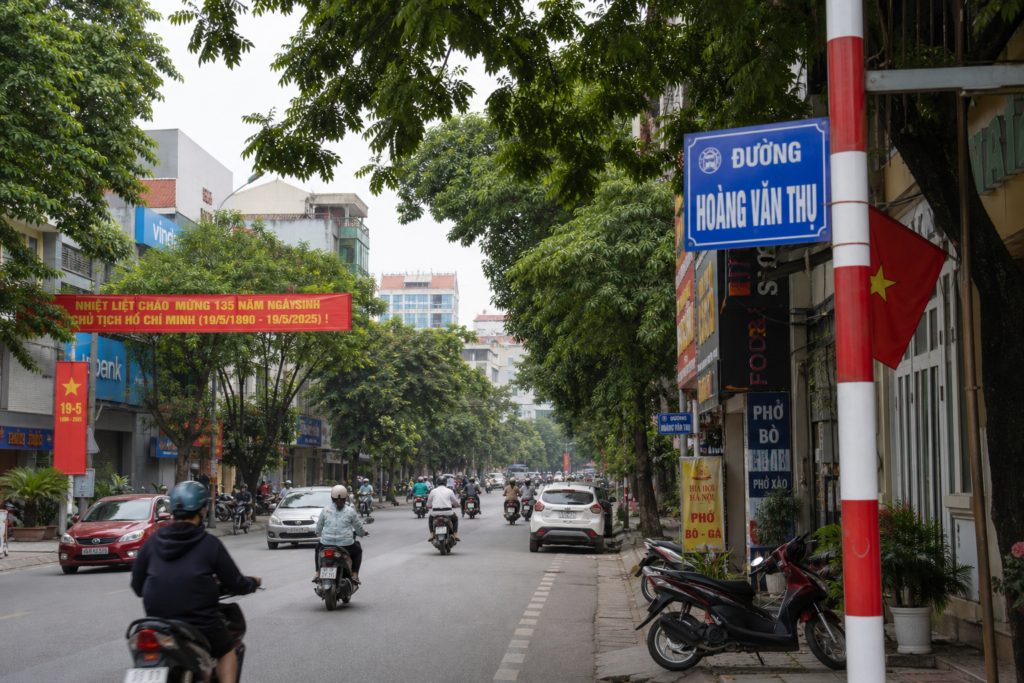
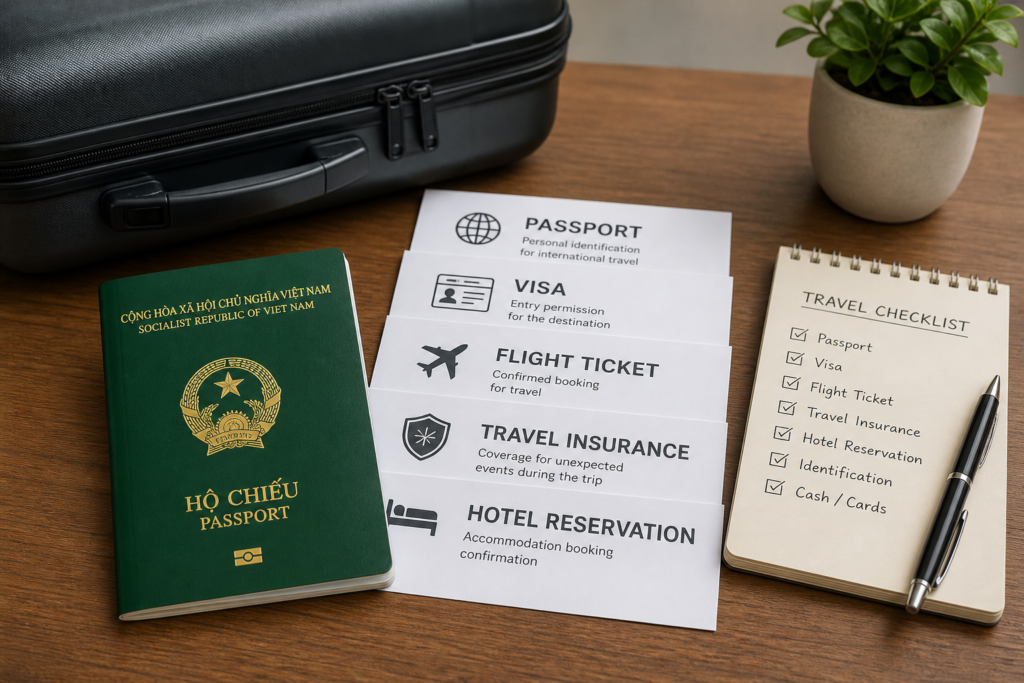
People should also avoid assuming that a small amount is automatically ignored. A small quantity may be treated differently from a larger quantity, but it is not the same as being legal. Evidence of use, possession and involvement in obtaining the substance can all matter. Police may also investigate other people connected with the situation, including hosts, drivers or suppliers.
Drug testing and suspected use
Drug testing and police procedures can create additional risks. A positive test may not answer every legal question by itself, but it can draw attention to suspected consumption and lead to questioning or further investigation. Visitors should not assume that cannabis used before entering Vietnam cannot cause problems after arrival, particularly if authorities find related evidence or a test is required during an investigation.
Do not attempt to conceal, destroy or transfer cannabis when approached by authorities. Cooperate calmly, avoid signing documents you do not understand, request an interpreter where necessary, and contact legal assistance as soon as possible.
What are the penalties for cannabis in Vietnam?
There is no single penalty that applies to every cannabis case. Consequences can range from administrative action to criminal prosecution. The result may depend on the substance, quantity, purity or form, the alleged conduct, intent, prior history and whether the case involves multiple people or organized activity.
Possible consequences can include fines, confiscation, detention, investigation, criminal charges and imprisonment. Supply, trafficking, manufacture and cross-border offenses are generally treated much more severely than a simple allegation of personal possession. Foreign nationals may also face immigration consequences, including visa cancellation, deportation or restrictions on future entry.
Online summaries often quote fixed punishment figures without explaining that Vietnamese drug offenses can involve detailed legal thresholds and amendments. Those figures may be incomplete or outdated. Anyone dealing with an actual case in Thai Nguyen should obtain advice based on the current Vietnamese text and the precise facts, rather than relying on a social-media post or an informal seller.
Is medical marijuana legal in Thai Nguyen?
Vietnam does not operate a broadly accessible medical-marijuana program comparable to systems in countries where doctors can prescribe cannabis flower, oils or edibles. A foreign prescription or medical cannabis card does not automatically authorize possession or use in Vietnam.
Travelers who use cannabis for pain, epilepsy, sleep, anxiety or another medical condition should not bring cannabis products into Thai Nguyen without obtaining specific, current legal advice. This includes products prescribed legally in another country. Vietnamese border controls may focus on what the product contains and how it is classified, not simply on the patient’s reason for carrying it.
Before traveling, ask a Vietnamese embassy, consulate, licensed healthcare professional or qualified local lawyer about permitted alternatives. Keep any prescription medicines in their original packaging and verify import requirements before departure. Do not assume that a doctor’s letter alone will resolve a controlled-substance issue.
Is CBD legal in Thai Nguyen?
CBD products require particular caution. The label “CBD,” “hemp,” “natural,” or “THC-free” does not automatically establish that a product is lawful in Vietnam. Products may contain trace THC, other controlled cannabinoids or ingredients that are restricted under Vietnamese rules. Mislabeling and inconsistent quality are also common concerns in the international CBD market.
CBD oils, gummies, vape liquids, cosmetics and supplements can be difficult to assess at a border or during a police inspection. A foreign certificate of analysis may not determine how Vietnamese authorities classify the product. Until the product has been checked against current Vietnamese rules by a qualified professional, carrying or ordering it is a legal risk.
In practical terms, the safest approach for visitors is not to bring CBD or cannabis-derived products into Thai Nguyen. If a product is medically necessary, seek written guidance before travel rather than relying on an online retailer’s shipping statement.
What about industrial hemp?
Industrial hemp is not the same as recreational marijuana, but that distinction does not mean anyone can grow, sell or import hemp freely. Vietnam may permit certain hemp-related agricultural, manufacturing or research activities under specific conditions, approvals and controls. The lawful treatment can depend on the plant variety, THC content, intended use, licensing and applicable regulations.
A private individual should not plant cannabis and later argue that it was intended to be hemp. Nor should a buyer assume that a hemp-derived product is approved simply because it contains little THC. Seeds, plants, raw material, extracts and finished products may be regulated differently.
Businesses considering hemp cultivation, processing or distribution in Thai Nguyen should obtain specialized Vietnamese regulatory advice before investing or importing equipment and materials. They may need to address agriculture, product safety, labeling, controlled-substance and licensing requirements.
Are cannabis seeds, edibles and vape products safe to carry?
They should not be treated as safe. Cannabis edibles can be especially problematic because the contents may be difficult to identify, and a small item can contain a concentrated amount of THC. Vape cartridges and oils may contain cannabis extracts even when their packaging uses vague language such as “botanical,” “relaxation” or “aroma.”
Seeds can also raise questions about cultivation or importation. A traveler should not carry seeds, flower, hash, resin, pre-rolled joints, THC oils, gummies or similar products into Thai Nguyen. Do not mail them, place them in checked luggage or ask another person to carry them on your behalf.
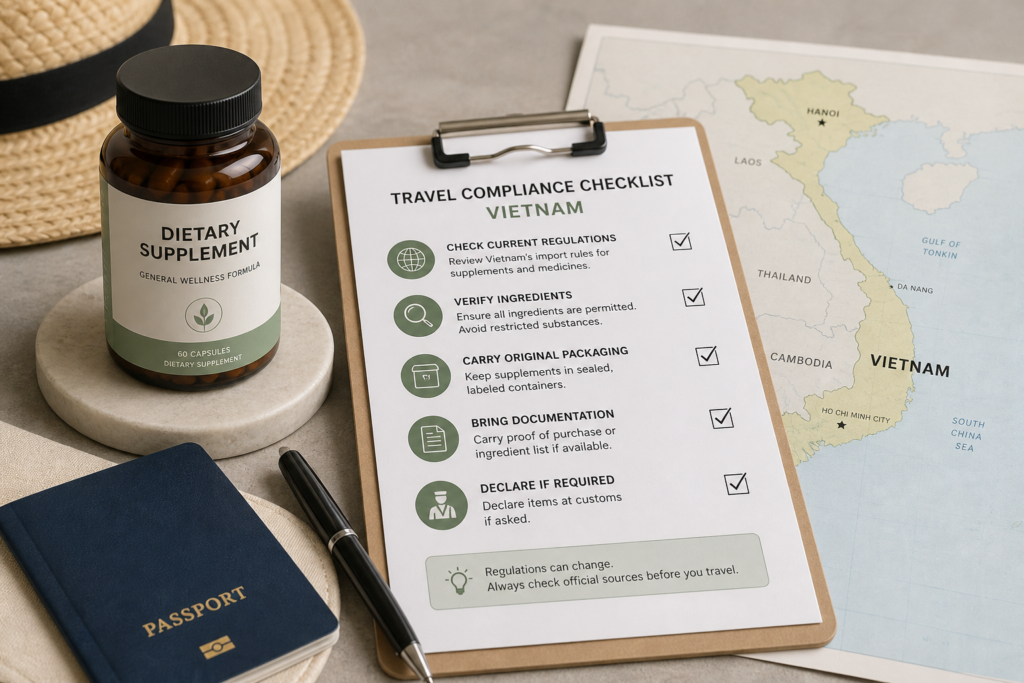
When packing for Vietnam, check every supplement, prescription product and vape liquid. If the ingredients are unclear or the product is cannabis-derived, leave it behind unless you have confirmed its legal status through an authoritative source.
Practical advice for residents and visitors
- Do not buy or accept cannabis in Thai Nguyen, even if someone says it is common or tolerated.
- Do not smoke or consume it in a private home, hotel, homestay or vehicle.
- Do not carry cannabis between Thai Nguyen and Hanoi or across any Vietnamese border.
- Do not bring THC, CBD or hemp-derived products without checking the current rules first.
- Be cautious with social-media delivery services and informal sellers; a transaction can create evidence for both parties.
- If stopped, remain calm and do not physically resist or obstruct officials.
- Ask for an interpreter before signing a statement that you cannot fully understand.
- Contact a Vietnamese criminal lawyer and, if you are a foreign national, your embassy or consulate.
Embassies generally cannot cancel local proceedings or guarantee release, but they may explain consular support and help a citizen locate legal or translation services. Do not expect hotel staff, tour operators or online sellers to provide reliable legal representation.
Common misunderstandings about weed in Thai Nguyen
“It is legal because a seller offers it.”
Availability is not legality. An unlawful market can exist despite enforcement, and a seller’s assurances do not protect a buyer.
“It is only a small amount.”
Quantity can affect how a case is handled, but a small amount is not a blanket exemption. Any suspected possession or use may still result in questioning, confiscation or further action.
“It is legal in my country.”
Vietnam applies its own laws. A prescription, cannabis card or legal purchase receipt from another country does not generally authorize possession in Vietnam.
“CBD has no THC, so it must be allowed.”
Labels can be inaccurate, and Vietnamese authorities may regulate products based on their composition and classification. Verify before carrying any cannabis-derived item.
“Tourists are not prosecuted.”
Visitors can face the same local drug laws as residents, along with immigration consequences. Nationality is not a legal exemption.
Conclusion: Thai Nguyen is not a legal cannabis destination
Weed is illegal in Thai Nguyen under Vietnam’s national drug-control framework. Recreational cannabis has no general legal market, and private use, possession, purchase, cultivation, supply and transport can all create serious legal risks. Medical cannabis, CBD, edibles, vape products and hemp-based goods should also be checked carefully rather than assumed to be exempt.
The safest choice is not to buy, use, grow or carry cannabis in Thai Nguyen, and not to bring cannabis-derived products across the Vietnamese border. If you are already involved in an investigation, seek qualified Vietnamese legal advice immediately and request appropriate translation and consular support.