Cannabis Laws in Pho Yen, Vietnam: Legal Risks and Safer Travel Advice
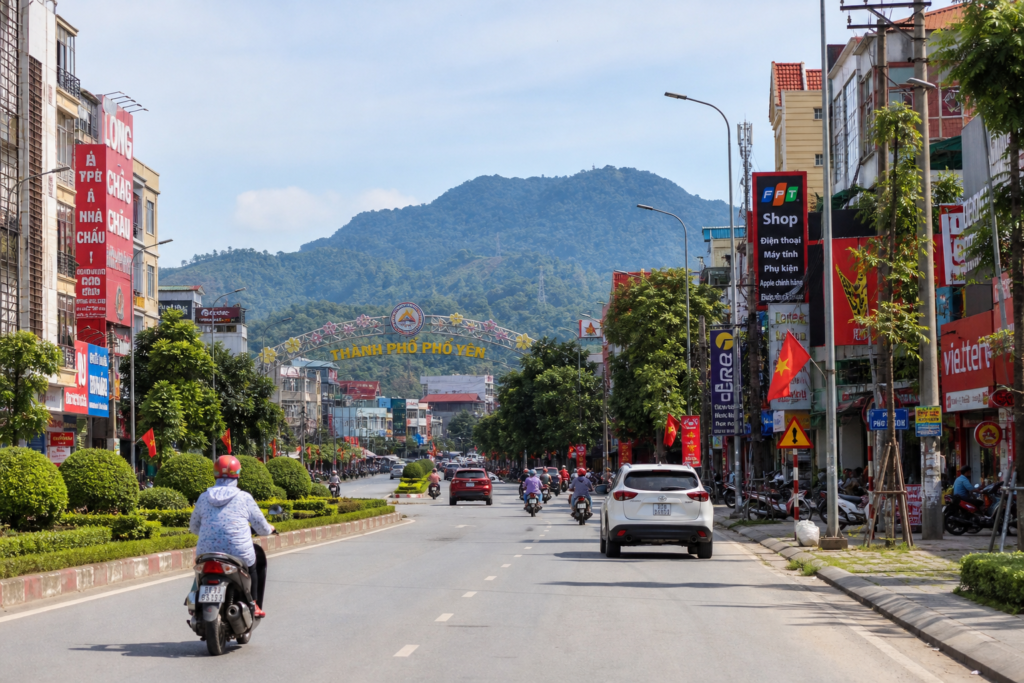
Pho Yen is a city in Thai Nguyen province, north of Hanoi, and an important industrial and transport hub. Its growing business activity and connections with nearby provinces may bring more visitors, workers, and international travelers to the area. However, Pho Yen does not have a separate cannabis system that differs from national law. Vietnamese narcotics rules apply throughout the city and across the country.
Cannabis is not legal for recreational use in Pho Yen. Possessing, buying, selling, transporting, growing, importing, exporting, or helping others use cannabis can create serious legal problems. Penalties may include detention, criminal prosecution, imprisonment, fines, and deportation for foreign nationals. The consequences depend on the substance, quantity, conduct, evidence, and the person’s role in the incident.
This guide explains the legal position in general terms and offers risk-reduction advice for people visiting or living in Pho Yen. It is not a substitute for advice from a qualified Vietnamese lawyer. Drug laws and enforcement policies can change, so anyone facing an investigation should obtain local legal counsel promptly.
Is cannabis legal in Pho Yen?
No. Cannabis is not legally available for recreational use in Pho Yen, Thai Nguyen, or elsewhere in Vietnam. There is no lawful dispensary system comparable to those found in some other countries, and a foreign medical-cannabis prescription does not automatically create permission to possess or use cannabis in Vietnam.
Vietnam regulates cannabis and cannabis-derived narcotic materials under its national system for controlled substances. The fact that cannabis may be tolerated, regulated, or sold legally in another country does not change its status after entering Vietnam. A traveler can therefore face Vietnamese penalties even if the product was purchased legally abroad or used legally in the traveler’s home country.
Local conditions should not be mistaken for legal permission. Cannabis may be discussed online or offered privately, but informal availability does not mean that a product is safe, genuine, or lawful. Police action can follow a complaint, a public-order incident, a traffic stop, a hotel issue, or an investigation into another offense.
How Vietnamese law treats cannabis-related conduct
Vietnamese law distinguishes between different forms of drug-related conduct. Authorities may examine whether a person possessed a substance, used it, transported it, supplied it, stored it for another person, cultivated plants, or helped organize drug use. The quantity and classification of the material can also affect the case.
Possession and storage
Keeping cannabis in a room, vehicle, bag, workplace, or other location can be treated as illegal possession or storage. A person does not necessarily avoid liability because the cannabis belongs to someone else. Investigators may consider control over the location, knowledge of the substance, packaging, communications, and witness statements.
Small amounts should not be assumed to be harmless. Even when a case does not reach the most serious criminal category, a person may still face investigation, seizure, questioning, administrative consequences, or immigration problems. The exact outcome depends on the facts and the applicable law at the time.
Buying, selling, and supplying
Offering cannabis to another person, arranging a delivery, receiving payment, or acting as an intermediary can be treated much more seriously than simple possession. Sharing cannabis without payment may also create legal exposure because authorities may view it as supplying or facilitating use.
Online messages, bank transfers, delivery records, and social-media activity can become evidence. Visitors should not assume that a private chat, encrypted application, or informal arrangement makes a transaction untraceable or legal.
Transport, import, and export
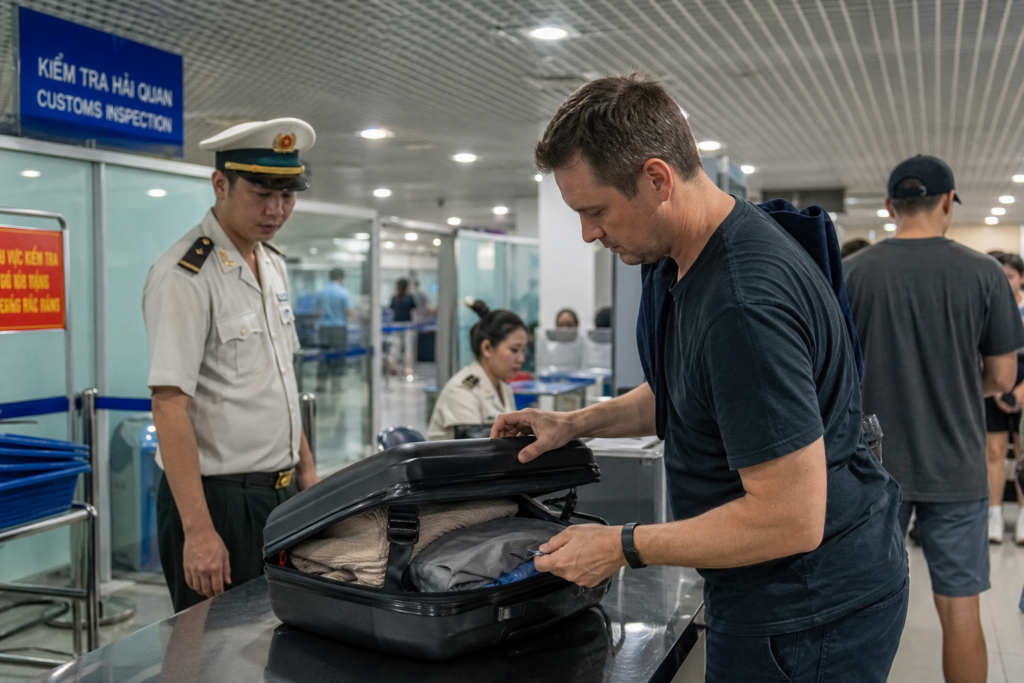
Moving cannabis between neighborhoods, provinces, airports, hotels, or borders can create a transport-related offense. Bringing cannabis into Vietnam, carrying it out of the country, or sending it through luggage or parcels creates especially serious risks. Customs and border authorities may inspect baggage and packages, and foreign airport procedures do not override Vietnamese narcotics law.
Never carry cannabis, cannabis resin, edibles, oils, vape cartridges, concentrated products, or products containing unclear plant extracts across a Vietnamese border. Packaging that says “hemp,” “CBD,” or “THC-free” is not a guarantee that the item will be accepted by customs or police.
Cultivation and cannabis plants
Growing cannabis plants can lead to legal consequences, including when the plants are kept at a private residence or are described as being for personal use. Seeds, seedlings, mature plants, harvested material, and cultivation equipment may all attract attention during an investigation.
Potential penalties and why the facts matter
Vietnamese drug offenses can result in severe penalties. Criminal consequences may include lengthy imprisonment and fines, with the risk generally increasing when authorities allege a larger quantity, commercial activity, organized conduct, repeat offending, cross-border movement, or involvement of multiple people. In serious cases, the consequences can be life-changing.
Administrative handling is not the same as legal approval. A person may face compulsory testing, questioning, monitoring, a fine, or other measures even when prosecutors do not bring the most serious criminal charge. Foreign nationals may also face detention during proceedings, visa cancellation, deportation, or difficulty returning to Vietnam.
Because Vietnamese penalties depend on legal classification and evidence, it is unsafe to rely on a single online quantity chart. Thresholds, schedules, and procedural rules may be amended. A local lawyer should review the current legislation and the individual facts before anyone makes assumptions about likely punishment.
Does medical cannabis or CBD have an exception?
Vietnam does not operate a broad medical-cannabis program that allows visitors to bring ordinary cannabis products for personal treatment. A prescription from a doctor in another country is not, by itself, a defense to importing or possessing a controlled product in Vietnam.
CBD products require particular caution. Oils, gummies, cosmetics, supplements, vape liquids, and other goods may contain cannabinoids or ingredients that Vietnamese authorities classify differently from the label used in another country. Product labeling can be inaccurate, and customs officials may not treat a commercial “hemp” label as proof of legality.
Travelers who need controlled medicines should check the current requirements with the Vietnamese embassy or consulate, the relevant Vietnamese health authorities, and their airline before departure. They should carry only medicines that are clearly permitted, in original packaging, with supporting documentation. If there is any doubt about a cannabinoid product, leaving it at home is the safer choice.
Practical advice for visitors to Pho Yen
The safest approach is simple: do not buy, possess, use, grow, share, or transport cannabis in Pho Yen. The following precautions can also reduce avoidable problems:
- Do not accept a bag, parcel, vape cartridge, edible, or herbal product from another person if you do not know exactly what it contains.
- Check luggage carefully before flying to Vietnam and before leaving the country.
- Do not place another person’s belongings in your suitcase, motorcycle storage compartment, or hotel room.
- Avoid offers made through social media, messaging apps, nightlife venues, or informal delivery services.
- Do not photograph, promote, review, or arrange drug transactions online.
- Follow hotel, workplace, and vehicle rules, since a drug-related complaint can trigger police involvement even when no sale is alleged.
- Keep identification and lawful travel documents available, and do not carry suspicious substances “for safekeeping.”
People traveling from other parts of northern Vietnam should apply the same caution in Pho Yen as they would in neighboring provinces. For broader regional context, see the guides to cannabis laws in Bac Giang and cannabis laws in Bac Kan. The core rule remains national: local geography does not create a cannabis exception.
What to do if police question you
If police or other officials question you about cannabis, remain calm and respectful. Do not run, destroy evidence, threaten anyone, or sign a document that you do not understand. Do not guess, invent an explanation, or make informal admissions simply to end the conversation.
- Ask what authority or issue the questioning concerns.
- Request an interpreter if you do not understand Vietnamese well enough to communicate accurately.
- Ask to contact your embassy or consulate if you are a foreign national.
- Request a Vietnamese lawyer before making detailed statements or signing a formal record, where applicable.
- Keep copies of your passport, visa, accommodation details, and emergency contacts in a secure place.
Consular officials may help explain local procedures and provide lists of lawyers, but they cannot cancel Vietnamese law, guarantee release, or act as a substitute for legal representation. If a person is injured or faces an immediate medical emergency, call the appropriate local emergency service and clearly explain the situation.
Travel, workplace, and accommodation considerations
Pho Yen’s industrial environment means that workers may live in shared housing, company accommodation, rented rooms, or hotels. People can be affected by another occupant’s conduct if prohibited substances are found in a shared space or vehicle. Do not store personal belongings with unfamiliar roommates, and report suspicious packages to a manager or property operator rather than handling them yourself.
Employers may impose drug-testing, conduct, and dismissal policies in addition to the criminal law. A positive test or workplace incident can affect employment, residence status, and future travel even when the final legal classification is unclear. Visitors should also remember that public intoxication, unsafe driving, disorderly behavior, and trespass can create separate legal problems.
Common misconceptions about cannabis in Vietnam
“It is natural, so it is allowed.”
Natural origin does not determine legal status. Cannabis remains a controlled substance under Vietnam’s national framework.
“A small amount cannot cause serious trouble.”
There is no reliable safety assumption based only on appearance or an informal quantity. The material may be tested, and the circumstances can affect the legal response.
“CBD is always legal.”
CBD labeling, concentration, and product type do not guarantee that an item may be imported or possessed. Border officials may apply Vietnamese rules to the actual product and its ingredients.
“Foreigners are treated differently.”
Foreign citizenship does not create an exemption. It may add immigration, consular, and deportation consequences to the underlying legal case.
How to verify current rules
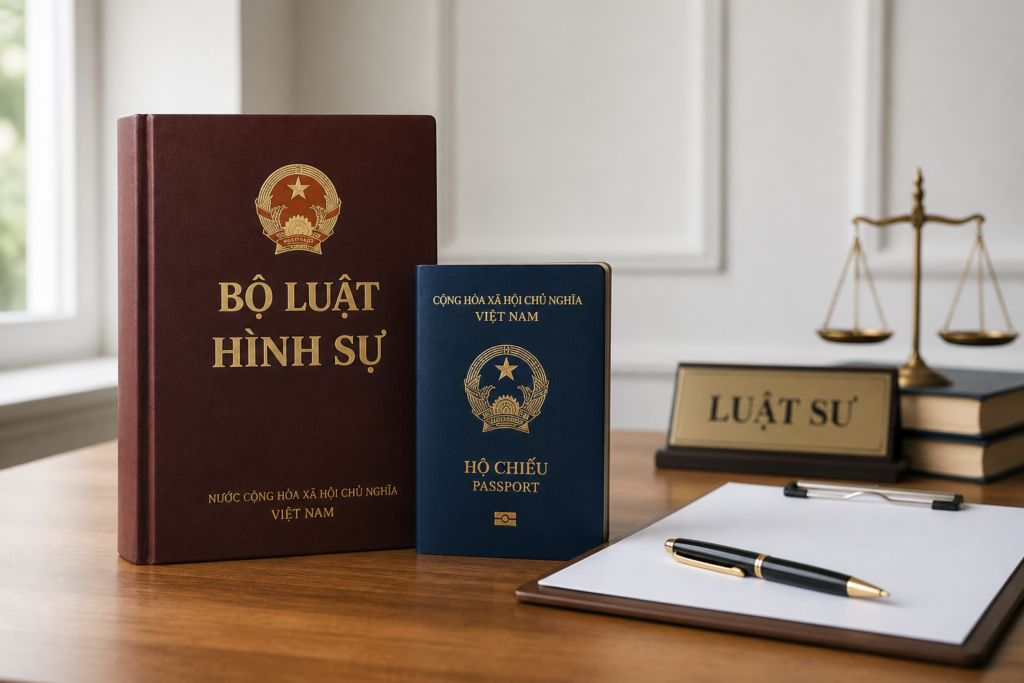
For a current legal assessment, consult a licensed Vietnamese lawyer familiar with narcotics and criminal procedure. Travelers can also contact the Vietnamese embassy or consulate in their country before departure, particularly when carrying prescription medicines or health products.
Use official Vietnamese legal sources and current customs guidance rather than relying on travel forums, old blog posts, or advice from a seller. Vietnam’s controlled-substance schedules and criminal provisions can change, and an article written for another province or another year may not answer a specific case in Pho Yen.
Conclusion
Cannabis is illegal in Pho Yen under Vietnam’s national drug-control framework. Buying, possessing, using, sharing, growing, transporting, or importing cannabis can lead to investigation and serious penalties, while supplying and cross-border conduct carry especially high risks. Medical prescriptions, CBD labels, and legality in another country do not automatically provide protection.
The safest travel advice is to leave cannabis and uncertain cannabinoid products at home, avoid informal offers, check luggage carefully, and seek qualified legal and consular help if an incident occurs. Pho Yen may be a busy and welcoming city, but its cannabis rules are governed by the same strict national laws that apply throughout Vietnam.