
Weed in Bac Lieu, Vietnam: Laws, Risks, and Safer Travel Advice
Bac Lieu is a coastal province in Vietnam’s Mekong Delta, known for its temples, mangrove landscapes, seafood, wind farms, and distinctive southern culture. Visitors may search for “weed in Bac Lieu Vietnam” because they want to understand local cannabis availability, legal risks, or what to do if someone offers them marijuana. The most important point is straightforward: recreational cannabis is illegal in Vietnam, including Bac Lieu.
Vietnam treats cannabis-related offenses seriously. Possession, use, purchase, sale, transport, cultivation, and distribution can all create legal problems. Foreign visitors do not receive an exemption from local law, and a small amount is not necessarily treated as harmless. This guide explains the practical situation without encouraging illegal drug use, helping travelers and residents make safer decisions.
Is weed legal in Bac Lieu?
No. Cannabis is not legal for recreational use in Bac Lieu or elsewhere in Vietnam. Vietnam’s drug-control framework prohibits unauthorized activities involving cannabis and other controlled substances. The rules apply in cities, rural districts, hotels, private homes, entertainment venues, and outdoor areas.
Terms such as weed, marijuana, ganja, cannabis, hash, and edibles may refer to different products, but changing the name does not change the legal status. Cannabis flower, resin, oils, vapes, infused foods, and other cannabis products can all present legal and personal risks.
Vietnam does not operate a regulated recreational cannabis market. There are no licensed cannabis cafés, legal dispensaries, or legal tourist allowances comparable to those found in some other countries. Claims that cannabis is “tolerated” in a particular neighborhood should not be interpreted as permission to possess or use it.
Vietnamese cannabis laws and penalties
Drug offenses in Vietnam can lead to investigation, detention, fines, criminal charges, imprisonment, and—in serious trafficking cases—extremely severe penalties. The exact outcome depends on factors such as the substance, quantity, conduct involved, prior history, and evidence available to authorities. Laws and enforcement practices can change, so anyone facing a real legal issue should obtain advice from a qualified Vietnamese lawyer.
Possession and personal use
Possessing cannabis can expose a person to criminal or administrative consequences. Visitors should not assume that a small quantity, a shared joint, or a product carried in a backpack will be overlooked. Even when an incident does not lead to the most severe charge, questioning, detention, confiscation, court proceedings, and travel disruption are possible.
Personal use may also cause problems even when a person did not buy the substance locally. A positive test, cannabis found among personal belongings, or evidence of consumption can complicate a person’s situation. Do not rely on informal advice from acquaintances or online comments about what local authorities will ignore.
Buying, selling, and transporting cannabis
Purchase, sale, delivery, and transport are more serious than simply encountering cannabis. Carrying a package for another person, accepting a parcel, or taking cannabis across a provincial or international border can create substantial legal exposure. Airports, ports, roads, and border areas are not safe places to carry cannabis.
Trafficking penalties in Vietnam can be exceptionally severe. Travelers should never agree to transport a bag, parcel, edible, vape cartridge, or other item when they do not know exactly what it contains. A request framed as a favor can become a major legal problem.
What is the cannabis situation in Bac Lieu?
Bac Lieu is less internationally associated with nightlife than major destinations such as Ho Chi Minh City, Hanoi, or Da Nang. That does not make cannabis legal or risk-free. In a smaller provincial setting, unusual activity may attract attention more quickly, and visitors may have less access to English-speaking legal assistance.
People may encounter rumors about cannabis through social media, private messaging groups, guesthouses, bars, or informal contacts. Online listings and street offers are not evidence of a legitimate business. Some may be scams, while others may involve substances that are misrepresented, contaminated, or much stronger than expected.
There is no reliable public directory of legal cannabis venues in Bac Lieu because licensed recreational venues do not exist under Vietnamese law. Treat any claim that a seller is “official,” “police approved,” or “safe for foreigners” with skepticism.
Why local availability can be difficult to judge
Reports about weed in Bac Lieu may mix together several different things: cannabis, synthetic products, tobacco blends, herbal material, and ordinary scams. A product’s smell, packaging, or seller’s description cannot confirm its identity or safety. Even if a product is genuinely cannabis, that does not make possession lawful.
Online information can also be outdated or copied from another Vietnamese city. A location mentioned in a forum may no longer exist, may never have been genuine, or may be designed to attract buyers into a robbery or extortion scheme.
Risks for travelers and foreign residents
Foreign nationals can face additional practical difficulties when dealing with a drug investigation. Communication barriers, unfamiliar procedures, visa concerns, and limited knowledge of local law can make an already serious situation more stressful. Consular officials may be able to provide a list of local lawyers or explain some administrative steps, but they cannot cancel charges, guarantee release, or provide immunity.
- Detention and questioning: Authorities may hold or question people while investigating an alleged offense.
- Visa and immigration consequences: A drug-related incident can affect visas, residency status, entry, or future travel.
- Financial loss: Legal representation, accommodation changes, missed transport, and fines can be expensive.
- Language barriers: Important documents and conversations may not be available in a visitor’s preferred language.
- Reputation and employment concerns: A criminal investigation can affect work, study, or family arrangements.
Do not photograph, record, or post about a drug incident in a way that could escalate conflict or expose other people. Prioritize personal safety and seek appropriate professional assistance.

Common scams involving weed in Bac Lieu
People searching for cannabis may be targeted because sellers know that buyers are reluctant to report theft or deception. A contact may request an advance payment, send a fake delivery driver, change the meeting location repeatedly, or threaten to report the buyer after receiving money.
Another pattern involves selling an unknown substance as cannabis. It may contain synthetic chemicals or no cannabis at all. In other cases, a person may be invited to a private location where accomplices demand additional money. These situations can become dangerous quickly, particularly when alcohol, unfamiliar surroundings, or weapons are involved.
The safest response is not to engage with sellers or arrange a meeting. Do not share passport details, hotel information, home addresses, photographs, or copies of identification with an unknown contact. If someone is threatening you, move to a public, staffed location and contact local authorities or your accommodation provider.
What to do if someone offers you cannabis
A simple refusal is usually the safest approach. You do not need to debate local law or explain personal choices. Say that you are not interested, leave the conversation, and avoid accepting a sample, package, or drink from someone you do not know.
- Do not purchase, possess, consume, or carry the substance.
- Do not hold it temporarily for another person.
- Do not take photos that identify you with the product.
- Do not bring cannabis into an airport, bus station, hotel, or border area.
- Leave if a conversation becomes aggressive or coercive.
- Tell a trusted accommodation manager if you feel threatened by a scam or extortion attempt.
If you accidentally receive a bag or item that may contain drugs, avoid handling or moving it unnecessarily. Seek prompt advice from your hotel or a qualified local lawyer about the safest lawful next step. Do not attempt to hide, destroy, mail, or transport the item.
Health concerns associated with cannabis
Legal status is not the only concern. Cannabis can impair reaction time, coordination, attention, and judgment. These effects are particularly dangerous when riding a motorbike, driving, swimming, operating equipment, or navigating unfamiliar roads. Bac Lieu’s roads can include heavy traffic, motorcycles, buses, trucks, and poorly lit stretches outside central areas.
Edibles and concentrated products carry additional uncertainty because the strength may be unknown and effects can take longer to appear. Taking more because the first dose seems inactive can lead to severe anxiety, confusion, vomiting, rapid heartbeat, or loss of coordination. Mixing cannabis with alcohol or other drugs can increase impairment and unpredictable reactions.
When to seek urgent medical help
Get urgent medical assistance if someone has trouble breathing, becomes unresponsive, experiences a seizure, has severe chest pain, shows extreme confusion, or is at risk of harming themselves or others. Stay with the person if it is safe, keep them away from traffic and water, and tell medical staff honestly what may have been taken. Accurate information can help clinicians provide appropriate care.
Safer ways to enjoy Bac Lieu
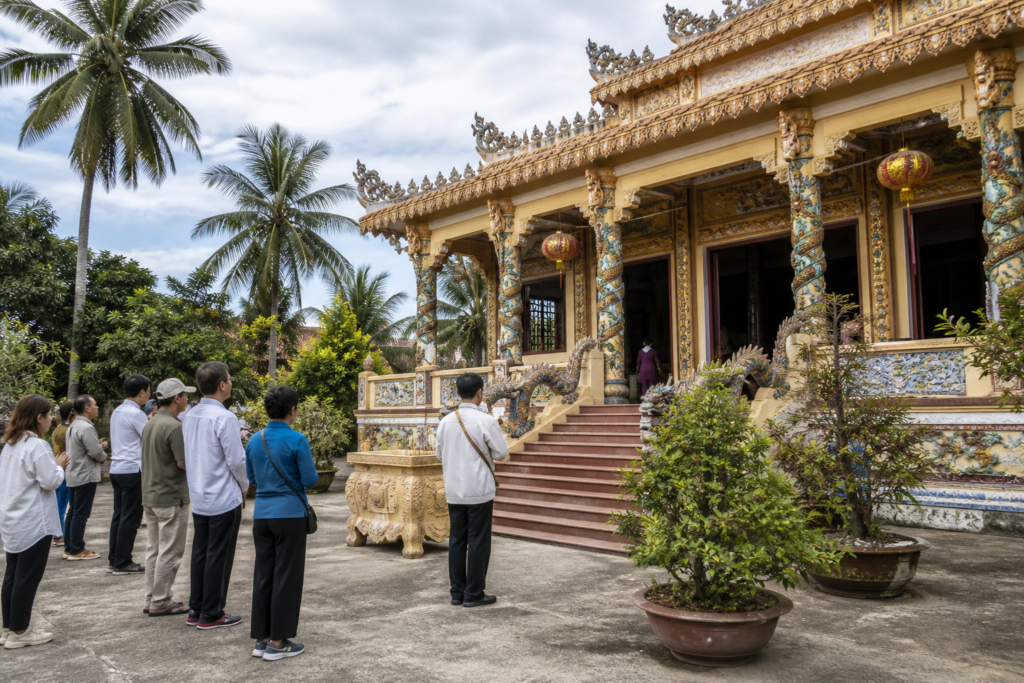
Visitors do not need cannabis to experience Bac Lieu. The province offers plenty of lawful activities that reflect its coastal and cultural character. Travelers can explore local temples and historic sites, visit the Bac Lieu Bird Garden, learn about regional music and architecture, enjoy seafood, and take a day trip toward coastal landscapes and mangrove ecosystems.
Respectful travel is especially valuable in smaller communities. Dress appropriately at religious sites, ask before photographing people, use reputable transport, and follow local advice around waterways and weather. Choosing licensed accommodation and established tour operators reduces the likelihood of scams.
Travelers comparing cannabis-related questions across the Mekong Delta may also find our guides to weed in Can Tho and weed in Can Giuoc useful. The local setting may differ, but the central legal principle remains the same: recreational cannabis is not legal in Vietnam.
If you are arrested or questioned
Do not resist physically, argue aggressively, sign documents you do not understand, or make guesses about events. Remain calm and ask for an interpreter if you cannot understand the language being used. Contact your embassy or consulate as soon as practical and request a qualified Vietnamese criminal-defense lawyer.
Consular assistance is not a substitute for legal representation. Consular staff generally cannot intervene in the judicial process, pay legal fees, secure special treatment, or guarantee a particular result. Keep copies of your passport and important contact information in a secure place, but do not show false documents or provide false information.
Practical travel checklist
- Check current Vietnamese travel and drug laws before your trip.
- Use licensed hotels, transport providers, and tour operators.
- Do not accept packages or luggage from strangers.
- Keep cannabis and other controlled substances out of your luggage entirely.
- Avoid unknown pills, oils, vapes, edibles, and herbal mixtures.
- Save your embassy’s emergency contact details and your accommodation address.
- Use extra caution around nightlife, private parties, and unfamiliar invitations.
- Seek professional legal help immediately if an incident occurs.
Conclusion
For anyone researching weed in Bac Lieu Vietnam, the practical answer is clear: recreational cannabis is illegal, unregulated, and not worth the legal, health, or personal risks. Offers made online or in person may involve scams, contaminated products, extortion, or serious criminal consequences. Foreign visitors are subject to Vietnamese law and should not assume that provincial locations are more relaxed.
The safest approach is to refuse cannabis, avoid carrying unknown items, use reputable travel services, and choose Bac Lieu’s lawful cultural, culinary, and natural attractions instead. If you face questioning, detention, or a threat connected with drugs, prioritize safety and contact your embassy and a qualified Vietnamese lawyer.